

Power Up: Solar Gear for Travelers
Travel is changing, and the sun is powering it. Solar gear isn't just a trend; it's a response to a growing desire for sustainable travel. Reducing our carbon footprint while exploring is important, and saving money on electricity is a nice bonus.
Solar technology has advanced, making devices more efficient and affordable. Panels are lighter, more durable, and capture more energy, even in poor conditions. This allows travelers to stay connected and powered up off-grid for longer. Relying less on traditional power and more on the sun feels empowering.
Beyond personal convenience, choosing solar gear supports green tourism and reduces fossil fuel demand. It's a responsible approach to exploration that prioritizes the planet's health, moving toward a future where sustainable travel is the standard.

Solar Backpacks: Power on the Move
Solar backpacks are ideal for travelers who spend time outdoors. They integrate solar panels to charge devices while hiking, camping, or exploring. Capacity, measured in wattage, is key: a 7-watt panel charges phones, while a 20-watt or higher panel can handle tablets and laptops.
Durability is paramount. Look for water-resistant materials and robust construction. Essential features include padded compartments for electronics, multiple USB ports, and comfortable straps. A well-designed backpack distributes weight effectively, so it doesn't feel heavy.
The Voltaic Systems Array Rapid Solar Backpack ($300) offers a 10-watt panel and a 19.2Wh battery pack, known for durability and efficient charging. BioLite also offers options balancing power and comfort. For a budget choice, the SunnyPath Solar Backpack ($100) provides decent power, though its build quality isn't as premium.
Consider the backpack's overall functionality: comfort for long hikes, storage space, and airline carry-on size. A good travel backpack is versatile, with the solar panel being a valuable addition, not the sole feature.
Portable Solar Chargers: Pocket-Sized Power
For space and weight savings, portable solar chargers are ideal. They come as foldable panels (like Goal Zero's, which are lightweight and pack small) or power banks with integrated solar (like the BigBlue 3 USB Ports Solar Charger, which trickle-charges from the sun).
These chargers are best for smaller devices like smartphones, cameras, and GPS units. Don't expect to rapidly charge a laptop; the wattage is usually too low. Charging speed depends heavily on weather; a cloudy day significantly reduces the rate. These are supplemental power sources, not replacements for wall chargers.
Unlike traditional power banks, solar chargers can be recharged without electricity, a benefit in remote locations. The initial cost is higher, and charging takes longer, but over time, a solar charger saves money and reduces reliance on disposable batteries.
The Anker 521 Solar Panel ($70) balances portability and power, is USB-C compatible, and delivers a decent charge. For a rugged option, consider the Renogy 20W Solar Panel, built for outdoor conditions.
Featured Products

30W foldable portable solar charger · IP65 water and dust resistance · Charges 2 devices simultaneously
This highly-rated portable solar charger offers a reliable and sustainable power solution for eco-conscious travelers, ensuring devices stay charged on the go without relying on traditional energy sources.

28W solar panel charger · Dual USB-C and USB-A ports · Portable and lightweight design
This highly-rated portable solar charger offers a reliable and sustainable power solution for eco-conscious travelers, ensuring devices stay charged on the go without relying on traditional energy sources.

10W foldable monocrystalline solar panel · Integrated USB port · Lightweight and backpack-friendly
This highly-rated portable solar charger offers a reliable and sustainable power solution for eco-conscious travelers, ensuring devices stay charged on the go without relying on traditional energy sources.

100W bifacial portable solar panel · Foldable design for easy transport · Compatible with Jackery power stations
This highly-rated portable solar charger offers a reliable and sustainable power solution for eco-conscious travelers, ensuring devices stay charged on the go without relying on traditional energy sources.

100 Watt N-Type solar panel · High efficiency (25%) · Foldable design with integrated kickstands
This highly-rated portable solar charger offers a reliable and sustainable power solution for eco-conscious travelers, ensuring devices stay charged on the go without relying on traditional energy sources.
As an Amazon Associate I earn from qualifying purchases. Prices may vary.
Solar Lighting: Bright Ideas for Camping
Solar lighting is essential for camping, hiking, and emergencies. Lanterns, string lights, and headlamps are available in solar versions. Brightness is measured in lumens; battery life is important for extended use away from sunlight.
Look for features like dimming controls, adjustable color temperature (warm white is good for reading), and water resistance. Lightweight, packable designs are essential for backpacking. A headlamp is versatile, offering hands-free navigation in the dark.
The LuminAID PackLite Hero 2-in-1 Phone Charger Lantern ($50) provides light and a USB port for charging devices. For string lights, consider MPOWERD Luci Color String Lights. The Petzl Actik Core headlamp is reliable and powerful, though it also recharges via USB.
Quality varies between cheaper and more expensive solar lights. Higher-end models have brighter LEDs, longer battery life, and more durable construction. A budget option may suffice for occasional use, but investing in quality pays off.
TSA & Solar: Travel Regulations Explained
Traveling with solar panels and power banks is usually straightforward, but check TSA guidelines. Most solar panels are allowed in carry-on and checked baggage, but regulations can change.
The main concern with power banks is their lithium-ion batteries. TSA rules limit the watt-hour (Wh) rating: 100Wh or less is generally permitted in carry-on baggage, while over 160Wh is prohibited in both carry-on and checked baggage.
It’s a good practice to keep your power banks in their original packaging or to cover the terminals with tape to prevent short circuits. When in doubt, declare your devices to a TSA agent. Being proactive can save you time and hassle at the security checkpoint. I always recommend keeping a link to the TSA guidelines handy on your phone.
Remember that airline regulations may also apply, so it's worth checking with your airline before traveling. Some airlines may have stricter rules regarding lithium batteries than the TSA.
Beyond the Basics: Unique Solar Gadgets
The world of solar-powered gadgets extends far beyond backpacks and chargers. There’s a surprising amount of innovation happening in this space. For music lovers, solar-powered Bluetooth speakers, like the Eton Ruckus 2.0 (around $100), allow you to enjoy your favorite tunes without needing an outlet.
Concerned about hygiene while traveling? Solar phone sanitizers, such as the PhoneSoap Wireless UV Sanitizer, use UV-C light powered by solar energy to kill germs on your phone. And if you're prone to overheating, solar-powered personal fans, like the Freewell Solar Powered Fan, can provide a refreshing breeze.
I recently came across a solar-powered window charger, which adheres to a window and uses solar energy to charge your devices. It's a niche product, but a clever solution for those who live in sunny climates. The possibilities are constantly expanding as technology improves.
These gadgets may not be essential, but they demonstrate the versatility of solar power and offer creative solutions for everyday travel needs. They're also a great conversation starter!
Gear Standouts: 2026's Top Picks
After testing numerous products, a few stand out as exceptional choices for eco-conscious travelers. For the ultimate solar backpack, the Voltaic Systems Array Rapid Solar Backpack remains a top pick. Its robust construction, efficient charging, and comfortable design make it ideal for extended outdoor adventures. It isn’t the cheapest, but it’s built to last.
In the portable charger category, the Anker 521 Solar Panel offers the best balance of portability, power, and price. It’s lightweight, USB-C compatible, and delivers a reliable charge. It's a solid choice for everyday use and travel. For those needing more power, the Goal Zero Nomad 20 is a step up, though at a higher price point.
When it comes to solar lighting, the LuminAID PackLite Hero 2-in-1 Phone Charger Lantern is a standout. It’s lightweight, durable, and offers both light and a USB charging port. It’s a versatile and essential addition to any camping kit. Its dual functionality really sets it apart.
These top picks represent the best of what’s currently available in solar-powered travel gear. They’re all well-built, reliable, and designed to help you travel more sustainably. Choosing the right gear depends on your individual needs and budget, but these options are a great place to start.
Featured Products

21W high-efficiency solar charging · USB-A and USB-C output ports · IP68 waterproof rating
This charger provides a reliable and eco-friendly way to keep your essential electronics powered up during your travels.
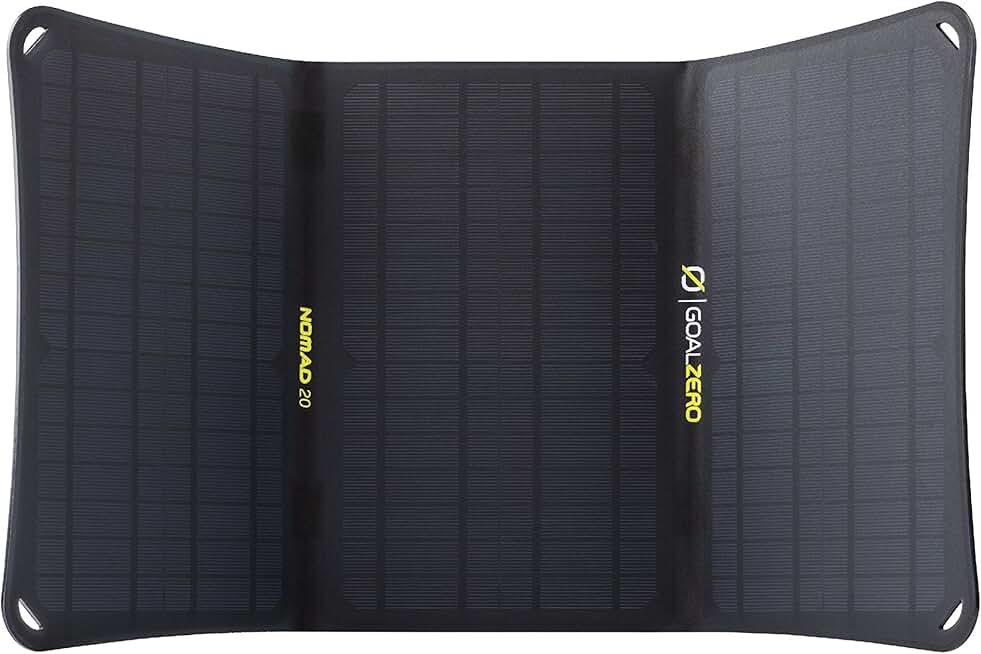
20W monocrystalline solar panel · 8mm and USB output ports · Lightweight and foldable
This durable and efficient panel offers a dependable solar charging solution for off-grid adventures and emergency preparedness.
28W high-efficiency solar charging · Dual USB-C and USB-A ports · Portable and foldable for easy transport
This versatile charger offers a powerful and convenient solar solution for keeping all your essential gadgets charged during outdoor activities.
100W bifacial solar charging · Compatible with Jackery Explorer power stations · USB outputs for direct device charging
This high-capacity panel is an excellent choice for those needing to recharge larger power stations or multiple devices efficiently using solar energy.
As an Amazon Associate I earn from qualifying purchases. Prices may vary.
Maintaining Your Solar Investment
To maximize the lifespan of your solar-powered gear, proper maintenance is key. Regularly clean the solar panels with a soft cloth and mild soap to remove dirt and debris. Avoid using harsh chemicals or abrasive cleaners, as these can damage the panels. I've found that a simple wipe-down after each use is usually sufficient.
Store your gear in a cool, dry place when not in use. Avoid exposing it to extreme temperatures or direct sunlight for extended periods. Proper storage will help prevent battery degradation and prolong the life of the panels. When storing for long periods, it’s a good idea to partially charge the battery.
If you encounter any issues, such as reduced charging efficiency, check the connections and ensure that the panels are clean. Refer to the manufacturer’s instructions for troubleshooting tips. One of the biggest mistakes people make is leaving their gear exposed to the elements when not in use.
Treating your solar gear with care will ensure that it continues to provide reliable power for years to come. It’s an investment in both your travel experiences and the environment.




No comments yet. Be the first to share your thoughts!