

Beyond bamboo
Responsible travel is moving past bamboo toothbrushes and reusable bottles. AI is now doing the heavy lifting by helping us make choices based on actual data rather than just good vibes. It isn't just about finding a green hotel anymore; it's about hardware that tracks our impact in real time.
For a long time, "sustainable travel’ felt like a compromise. A noble intention, perhaps, but often at the expense of convenience or cost. AI changes that equation. It’s not about sacrificing enjoyment; it’s about enhancing the travel experience while lessening our footprint. In 2026, the tools available to the eco-conscious traveler will be dramatically different than they are today, and I think that"s a really exciting prospect.
What follows are seven examples of smart, sustainable tech gadgets that I believe will be essential for anyone looking to travel responsibly. These aren't just clever devices; they represent a fundamental shift in how we approach travel. They help us understand our impact and take action, turning good intentions into tangible results.

Suitcases that track carbon
Samsara is working on suitcases that track your carbon footprint. These bags use sensors to weigh your gear and combine that with your flight or train data to estimate total emissions. It’s a direct way to see how that extra pair of shoes actually changes your fuel burn.
The data isn't presented as a guilt trip. Instead, the suitcase’s companion app displays your trip’s carbon impact alongside personalized suggestions for offsetting it. These suggestions might include donating to verified carbon removal projects or choosing more sustainable transportation options for the next leg of your journey. Some integrations are already appearing with platforms like Patch, allowing for seamless offsetting purchases directly through the app.
What I appreciate most about this technology is its focus on actionable information. Knowing your impact is one thing, but being given concrete steps to mitigate it is far more valuable. It shifts the responsibility from vague feelings of guilt to empowered decision-making. The emphasis isn’t on perfection, but on continuous improvement.
Self-cleaning water bottles
Access to safe drinking water is a growing concern for travelers, and the reliance on single-use plastic bottles is a significant environmental problem. AI-powered water purification bottles, like the LARQ Bottle Filtered, are offering a compelling solution. These bottles use sensors to analyze water quality in real-time—detecting bacteria, viruses, and heavy metals—and then adjust the purification process accordingly.
The AI isn’t just about turning the purifier 'on' or 'off'. It learns over time, adapting to different water sources and optimizing filtration efficiency. High-end models utilize a combination of UV-C LED technology and advanced filters, ensuring that the water is not only safe but also tastes good. The sensors are surprisingly sophisticated, capable of identifying a wide range of contaminants.
These bottles aren't perfect. You have to charge them every few weeks, and filters cost between $20 and $50. But if you're currently buying two plastic bottles of water a day while traveling, the $100 upfront cost for a LARQ pays for itself in about a month.
- The LARQ Bottle Filtered costs $118 and uses UV-C light to kill bacteria.
- Waterdrop’s $79 version adds electrolytes to the filtered water.
- Brita Filter Water Bottle: $30 - A more affordable option with basic filtration.
AI-Powered Water Bottles for Sustainable Adventures

UV-C LED water purification technology · Smart app for hydration tracking · Insulated stainless steel construction
This AI-powered water bottle uses UV-C light to purify water and track your hydration, reducing plastic waste and ensuring you have clean water anywhere.

UV-C sterilization technology · Rechargeable battery · Fits most standard water bottles
The CrazyCap 2.0 offers UV-C sterilization to purify water and neutralize odor-causing bacteria, providing a sustainable solution for clean drinking water on the go.

Generates water from ambient air humidity · No plumbing or tap water required · 10-liter daily production capacity
This atmospheric water generator provides a sustainable source of clean drinking water by extracting moisture from the air, ideal for off-grid adventures or emergency preparedness.

Sliding tray design · Saves countertop space · Compatible with AquaTru Classic and Connect models
This accessory enhances the convenience of your AquaTru water purifier by allowing it to slide under cabinets, optimizing kitchen space for eco-conscious travelers.
As an Amazon Associate I earn from qualifying purchases. Prices may vary.
Personalized Eco-Route Planners
Traditional route planning apps focus almost exclusively on speed and convenience. New AI-powered apps, like Wandergreen (currently in beta testing), are changing that by prioritizing sustainability. These planners consider factors like public transport availability, the proximity of eco-friendly accommodations, and the availability of locally sourced restaurants.
What sets these planners apart is their ability to account for individual traveler preferences and budget. You can specify your priorities—whether it's minimizing carbon emissions, supporting local businesses, or avoiding tourist traps—and the app will generate a customized itinerary accordingly. They differ from existing planners by actively seeking out sustainable options, rather than simply presenting them as alternatives.
The AI also learns from your past travel behavior, refining its recommendations over time. It might suggest a scenic bike route instead of a crowded bus, or recommend a small, family-run guesthouse over a large chain hotel. It's about creating a more immersive and responsible travel experience.
Real-time translation for local markets
Language barriers can often hinder meaningful interactions with local communities. While translation devices have been around for years, AI-powered options, such as the Pocketalk Plus, are offering a new level of sophistication. These devices go beyond basic phrases, providing real-time translation of complex conversations.
The AI can help travelers understand local customs and etiquette, avoiding unintentional offense or cultural appropriation. It can also facilitate communication with local businesses, allowing you to support sustainable initiatives directly. It’s about moving beyond transactional tourism and building genuine connections.
Responsible communication is crucial. It's not just about being able to ask for directions; it's about showing respect for local culture and supporting the local economy. These devices empower travelers to do just that, fostering a more equitable and sustainable form of tourism.
Solar-Charging Backpacks with AI Power Management
Staying connected while traveling requires power, and solar-charging backpacks are a great way to reduce your reliance on traditional electricity sources. Newer models, like the Voltaic Systems Array Rapid Solar Backpack, are integrating AI to optimize charging based on sunlight availability and device needs. The AI monitors weather patterns and adjusts the charging process to maximize efficiency.
These backpacks are typically made from durable, recycled materials, and are designed to withstand the rigors of travel. The solar panel capacity varies, but most can generate enough power to charge a smartphone or other small devices multiple times throughout the day. The Voltaic Systems Array, for example, boasts a 10-watt panel.
What happens on cloudy days? The backpack will still charge, but at a slower rate. Many models also include a USB port, allowing you to connect to a traditional power source if needed. The price point for these backpacks ranges from $200 to $400, depending on capacity and features, but the long-term benefits—both environmental and financial—can be significant.
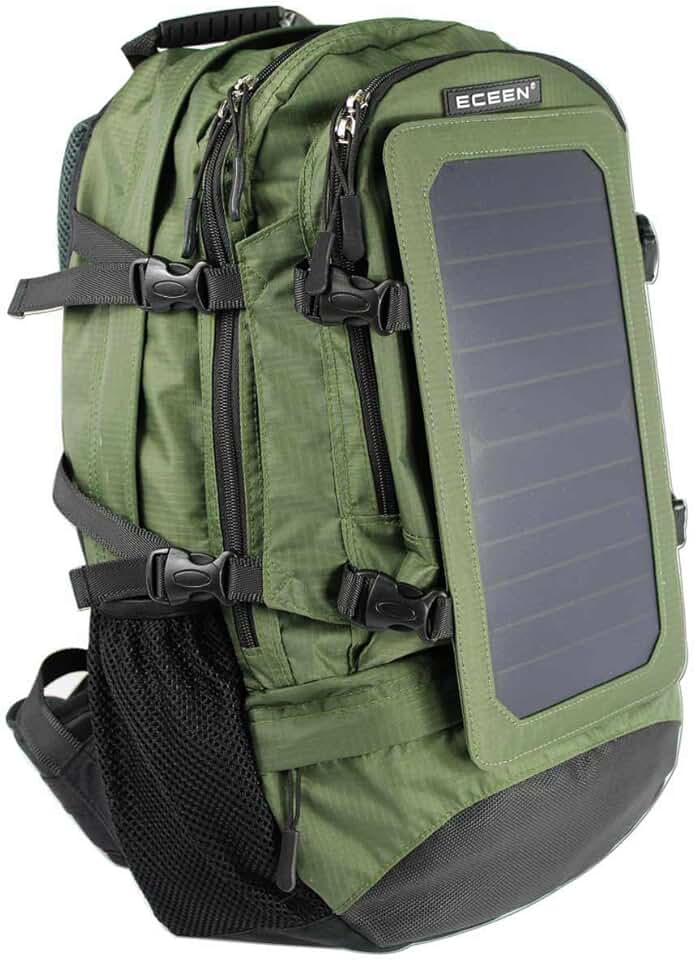
Solar Backpack 7W Solar Panel Charge for Cell Phones and 5V Device Power Supply
- Integrated 7W solar panel for on-the-go charging
- Powers cell phones and other 5V devices
- Durable and eco-friendly design
Stay powered up sustainably on your adventures with this solar backpack. It harnesses the sun's energy to charge your essential devices, ensuring you remain connected without relying on traditional power sources.
View on Amazon →As an Amazon Associate I earn from qualifying purchases.
Sustainable Accommodation Finders
Finding truly sustainable accommodations can be challenging. Many hotels engage in "greenwashing"—making misleading claims about their environmental practices. Platforms like Green Key and BookDifferent.com are using AI to verify the sustainability credentials of hotels and other accommodations, offering travelers a more reliable source of information.
These platforms assess accommodations based on a range of criteria, including energy efficiency, water conservation, waste management, and community involvement. They go beyond superficial certifications, conducting thorough audits and verifying data through independent sources. BookDifferent.com, for example, uses a scoring system based on 48 different sustainability indicators.
The AI also helps to identify potential red flags, flagging accommodations that may be exaggerating their sustainability efforts. It’s about providing travelers with transparency and empowering them to make informed choices. These platforms differ from existing green hotel directories by focusing on verification rather than simply listing properties that claim to be eco-friendly.
Sustainable Accommodation Platforms: A Comparison
| Platform Name | Verification Process | Transparency Level | Price Range | User Reviews (Summary) |
|---|---|---|---|---|
| Bookdifferent | Partners with recognized sustainability certifications (Travelife, GSTC-recognized, etc.) and assesses hotels based on a scoring system considering environmental and social impact. | High | Wide range - budget options to luxury hotels | Generally positive, users appreciate the clear sustainability information and diverse selection. Some note occasional discrepancies in certification details. |
| EcoBnb | Focuses on accommodations that demonstrate a commitment to ecological practices. Verification relies on self-reporting by hosts, supplemented by guest reviews and occasional site visits. | Medium | Mid-range to luxury cabins and unique stays | Users praise the unique and eco-friendly properties. Concerns are sometimes raised about the consistency of 'eco' standards as verification is not always independent. |
| Kind Traveler | Requires hotels to demonstrate positive impact through charitable contributions. Partners with organizations like the Rainforest Alliance. Verification is based on hotel commitments and reporting. | Medium | Mid-range to luxury hotels | Positive feedback regarding the 'hotel gives back' model. Some users find the selection limited compared to larger platforms. |
| Green Key | An international eco-label awarded to tourism facilities that meet strict environmental criteria. Independent audits are conducted regularly to ensure compliance. | High | Varies significantly depending on the property | Strongly positive, users trust the Green Key certification as a reliable indicator of environmental performance. Availability is limited to certified properties. |
| Responsible Travel | Focuses on tours and accommodations that benefit local communities and minimize environmental impact. Relies on detailed questionnaires for providers and emphasizes direct relationships. | Medium | Budget to luxury, wide range | Users appreciate the focus on responsible tourism and local experiences. Verification relies heavily on provider self-reporting. |
Illustrative comparison based on the article research brief. Verify current pricing, limits, and product details in the official docs before relying on it.


No comments yet. Be the first to share your thoughts!