

Choose a durable carry-on base
The foundation of green travel is reducing overall volume and waste. By choosing long-lasting, repairable luggage over disposable or single-use bags, you eliminate the need for excess packaging and reduce the carbon footprint associated with frequent replacements. A single, high-quality carry-on serves as the anchor for your entire packing strategy, forcing you to curate essentials rather than overpacking.
When selecting your base, prioritize materials like recycled nylon or organic cotton. Avoid virgin plastics, which have a higher environmental cost during production and disposal. Look for brands that explicitly state their commitment to repairability, ensuring your bag lasts for years rather than seasons.
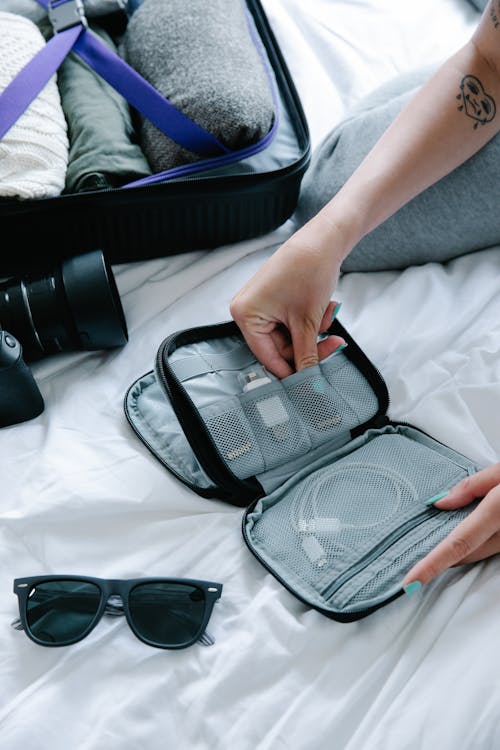
Brands like Eagle Creek and Chameleon Trips build products to last, using recycled fabrics and offering easy repairability. This approach aligns with the core principle of sustainable travel: choosing ways to travel that are environmentally friendly by reducing waste and extending product lifecycles. Start with a durable base, and the rest of your green travel accessories will fall into place naturally.
Swap single-use toiletries for solids
Solid toiletries are the easiest win for zero-waste travel. They eliminate plastic bottles, cut luggage weight, and bypass TSA liquid restrictions. You can pack shampoo, conditioner, body wash, and sunscreen as bars or sticks without leaking a drop.
Follow this sequence to make the switch:
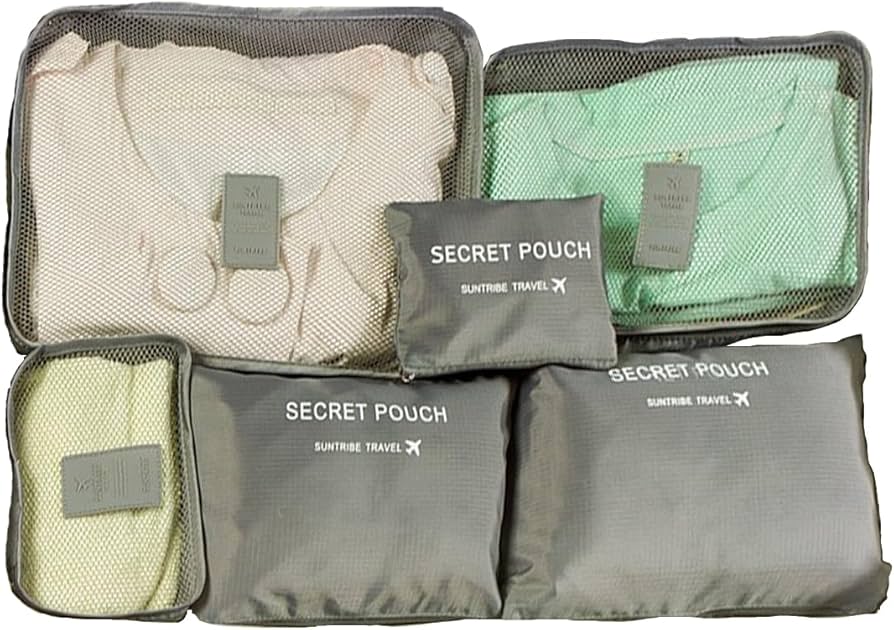
Replace liquid shampoo and conditioner bottles with solid bars. Store them in a metal tin or beeswax wrap to keep them dry and prevent messes in your bag.
Swap bulky sunscreen tubes for solid sunscreen sticks. They are less likely to melt, easier to apply precisely, and leave no plastic residue behind.
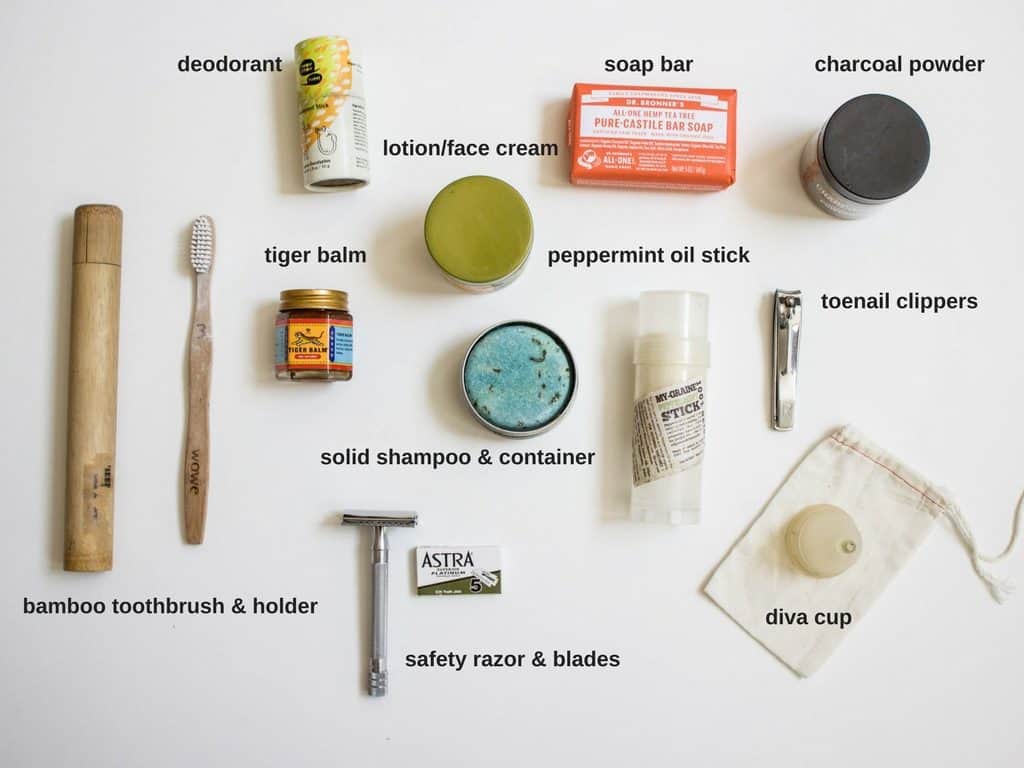
Carry a bamboo toothbrush and a small container for your paste tabs or powder. This completes your oral care routine without any plastic components.
This approach simplifies your packing list significantly. You no longer need to worry about bagging liquids or checking for leaks. Solid toiletries also last longer than their liquid counterparts, making them ideal for extended trips.
Solid toiletries are durable and versatile. They work well in most climates and require minimal maintenance. By making this swap, you reduce plastic waste and streamline your travel routine.
Pack reusable dining and hydration gear
Skip the single-use plastic cutlery and disposable water bottles by packing a compact dining kit. This small swap eliminates the most common waste found in airport terminals and tourist spots. You will need a set of utensils, a reusable bottle, and a container for leftovers or snacks.
Start by choosing a utensil set. Bamboo or titanium sets are lightweight and durable. Look for a case that snaps shut tightly to prevent crumbs from leaking into your bag. If you prefer metal, ensure the handles are textured for better grip.
For hydration, a collapsible silicone bottle saves significant space when empty. Unlike rigid metal bottles, silicone versions squish down to fit in side pockets. However, they may not keep drinks cold as long. Choose based on whether you prioritize packability or temperature retention.

Compare bottle types
| Feature | Collapsible Silicone | Rigid Metal |
|---|---|---|
| Packability | High (flattens when empty) | Low (fixed volume) |
| Durability | Moderate (can tear) | High (dent-resistant) |
| Insulation | None | Excellent |
| Weight | Very light | Moderate |
A rigid metal bottle is better if you want ice-cold water all day and don't mind the bulk. A collapsible option is ideal for hikers or travelers with limited luggage space. Pick the one that matches your packing style.
Avoid common zero-waste packing mistakes
Packing for zero waste travel is less about adding gear and more about editing your habits. The biggest mistake travelers make is treating sustainability as a shopping list. You might buy a bamboo utensil set, a collapsible coffee cup, and a mesh produce bag, only to find yourself carrying dead weight through the airport. If an item doesn’t serve multiple purposes or replace something you would otherwise buy single-use, it likely doesn’t belong in your bag.
Another frequent error is forgetting to wash reusable items before a trip. Imagine unpacking your reusable water bottle or food container at your destination only to find it still smells like last week’s leftovers. This oversight turns a sustainable choice into a hygiene hazard, forcing you to throw away a perfectly good item or buy a disposable replacement—defeating the entire purpose of your green travel plan.
Finally, don’t assume every "eco-friendly" product is travel-ready. Some reusable items are bulky, fragile, or require specific care that complicates your itinerary. Stick to durable, compact essentials that fit your actual route. A simple checklist of what you truly need will save you space and stress, ensuring your zero waste efforts are practical, not performative.
Watch a sustainable packing demo
Seeing the process in motion clarifies how to fit everything into a carry-on without creating bulk. The following video demonstrates a practical approach to organizing zero-waste essentials, showing exactly how to layer reusable items for maximum efficiency.
Pay attention to the rolling and stacking techniques used in the tutorial. These methods transform loose items like bamboo utensils and solid toiletries into a compact, secure bundle that fits neatly into your luggage.
Green travel accessories checklist
Before you zip your bag, run through this final verification. Having the right green travel accessories prevents single-use waste at the airport, on the plane, and at your destination.
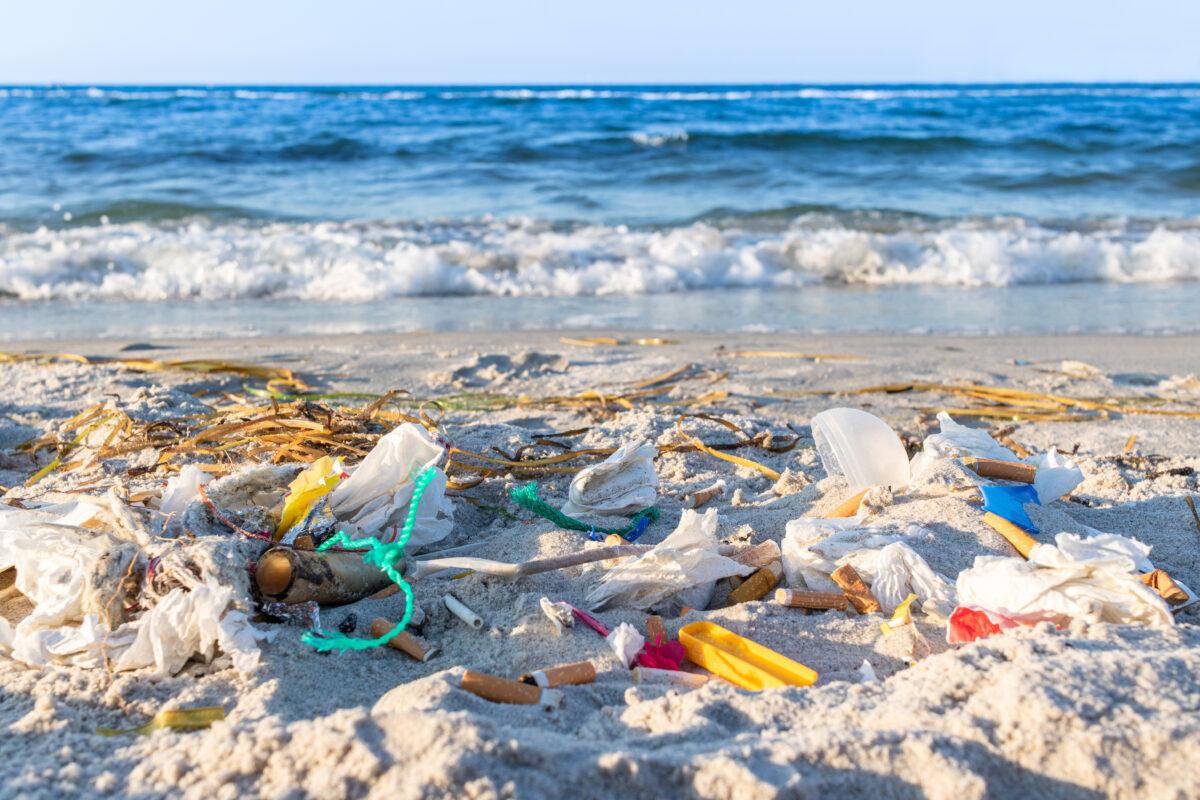
The Essentials
- Reusable water bottle: A stainless steel or glass bottle eliminates the need for plastic bottles. Look for one with a filter if you are traveling to areas with questionable tap water.
- Solid toiletries: Swap liquid shampoos and conditioners for solid bars. They are leak-proof, TSA-friendly, and come in plastic-free packaging.
- Reusable cutlery and straw: Keep a small kit made of bamboo or metal in your daypack. This avoids using disposable plastic forks and straws when grabbing takeout.
- Reusable shopping bag: A foldable tote is lightweight and essential for buying souvenirs or groceries without adding to landfill waste.
The Tech and Comfort
- Solar charger: If you are hiking or staying off-grid, a portable solar charger keeps your devices powered without relying on fossil-fuel-heavy electricity.
- Biodegradable soap: For washing clothes in a sink or shower, use soap that breaks down naturally without harming local water systems.
- Mesh produce bags: These replace the thin plastic bags at farmers' markets and bulk stores, keeping your loose items contained and waste-free.
Frequently asked questions about green travel
Green travel isn't about perfection; it's about making conscious choices that reduce your footprint. Here are answers to common questions about what it means to be a sustainable traveler and how to start.
No comments yet. Be the first to share your thoughts!