


What the budget buys
Investing in green travel tech usually involves a tradeoff between initial cost and long-term waste. Entry-level eco-gear often relies on recycled plastics (rPET), which are affordable and functional but may have a shorter lifespan than high-end biodegradable or modular alternatives. When shopping for these items, the price jump usually reflects the durability of the materials and the ease of repair.
Mid-range options typically introduce solar integration and higher-grade sustainable materials like full-grain leather or airline-grade aluminum. These materials resist wear and tear better than cheap synthetics, meaning you replace the gear less frequently. The most expensive tiers focus on modularity—products designed to be disassembled and upgraded rather than thrown away when a single component fails.
For those on a strict budget, prioritizing one high-impact item—like a high-efficiency solar charger—provides more immediate value than buying several low-quality "eco-friendly" gadgets that end up in a landfill within a year. Focus on gear with clear warranties and replaceable parts to ensure your investment actually reduces your environmental footprint.
As an Amazon Associate, we may earn from qualifying purchases.
Models worth checking first
Selecting green travel tech requires looking past the "eco-friendly" label to find gear that actually lasts. The most sustainable choice is often the one you don't have to replace in two years. When comparing green travel accessories, prioritize modular designs and materials like recycled aluminum or plant-based polymers that don't degrade under heavy transit stress.
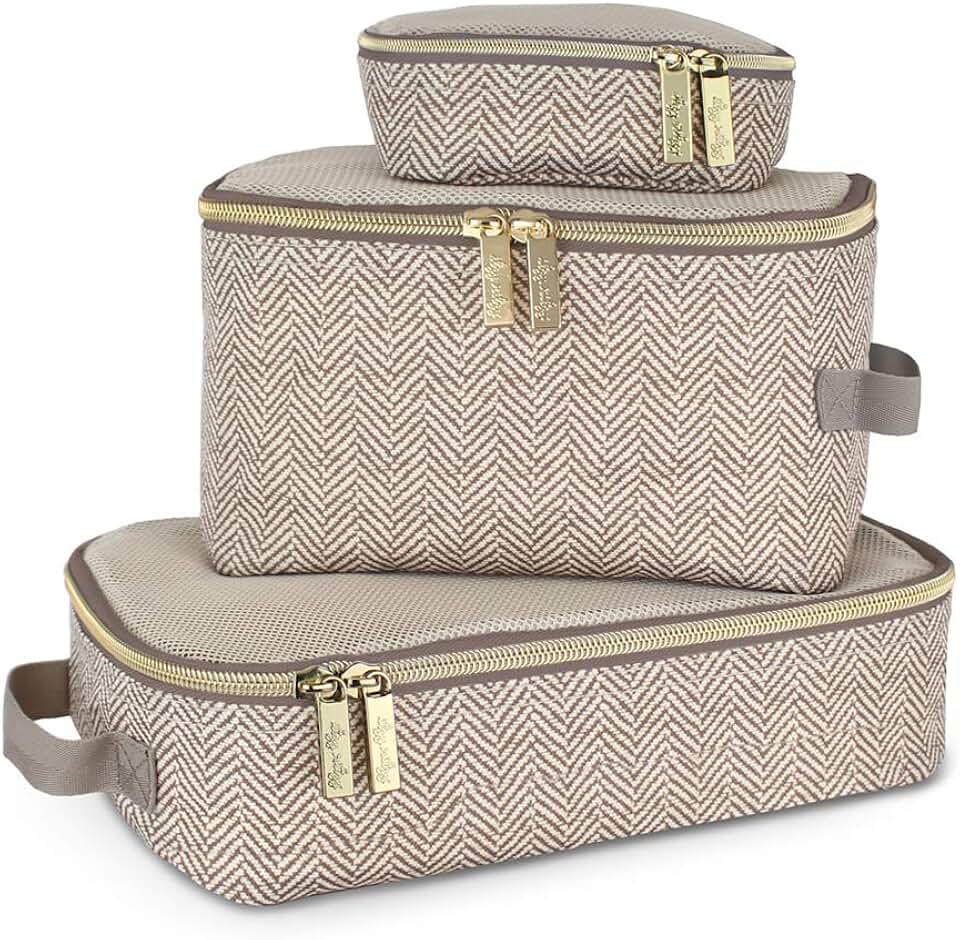
For luggage and organization, the focus has shifted toward high-durability shells and recycled interiors. For example, the Gregory Quadro Pro focuses on structural integrity to reduce the frequency of replacements, while specialized tech pouches help prevent cable fraying and port damage, extending the lifespan of your electronics.
| Model | Category | Primary Benefit |
|---|---|---|
| Gregory Quadro Pro | Luggage | High-durability shell |
| Tripped Tech Pouch | Organization | Cable protection |
| Cabeau Evolution X | Comfort | |
| Manta Sound Mask | Sleep |

As an Amazon Associate, we may earn from qualifying purchases.
Check before you buy
Investing in green travel tech is only sustainable if the gear lasts. A solar charger that fails after one trip or a "biodegradable" case that cracks in transit creates more waste than it prevents. Before purchasing, focus on the mechanical failure points where eco-friendly materials often struggle compared to traditional plastics.


As an Amazon Associate, we may earn from qualifying purchases.
Costs that change the math
Buying green travel tech often involves a higher upfront cost, but the real math happens during the second and third years of ownership. A cheap, non-biodegradable power bank might save you $30 today, but if it fails after one season and ends up in a landfill, the cost per use spikes. High-quality solar chargers and eco-smart luggage are designed for repairability, meaning you replace a battery cell or a wheel rather than the entire unit.
Maintenance surprises usually hide in the specialized materials. Biodegradable fabrics and plant-based leathers often require specific cleaners to avoid premature degradation. Using a harsh chemical solvent on a bio-composite shell can strip the protective coating, turning a long-term investment into a disposable product.
| Standard Gear | Eco-Smart Gear |
|---|---|
| Upfront Cost | |
| Lifespan | |
| End-of-Life Cost |
When evaluating these tools, look for modularity. If a company sells individual replacement parts for their smart luggage or offers a battery swap program for their solar panels, the ownership cost drops significantly over time. The most expensive gear is the piece you have to buy twice.
Common questions
Choosing green travel tech usually involves a tradeoff between convenience and sustainability. While solar chargers and biodegradable materials reduce your footprint, they often require different maintenance or charging habits than traditional gear.
No comments yet. Be the first to share your thoughts!