

Greener travel in 2026
Travel is changing. More people are actively seeking ways to minimize their environmental impact, and thankfully, technology is rising to meet the challenge. We’re entering an era where "sustainable travel’ isn’t just a buzzword, but a practice enabled by genuinely useful tools. This isn’t about sacrificing comfort or convenience; it"s about making informed choices.
AI-powered green travel accessories are at the forefront of this shift. These aren’t simply gadgets marketed as "eco-friendly’—they"re devices designed with sustainability baked in, often leveraging artificial intelligence to optimize performance and reduce waste. Over the next few years, I expect to see these technologies become increasingly sophisticated and accessible.
These 15 gadgets range from power solutions to smart navigation apps. They are tools to help you explore responsibly, though they work best when paired with a genuine intent to leave a smaller footprint.
Solar and kinetic chargers
Reliable power is essential for modern travel, but traditional power banks rely on electricity generated from often unsustainable sources. Solar and kinetic chargers offer a compelling alternative. Solar chargers have come a long way since the early, bulky models. Folding solar panels are now incredibly efficient, capable of providing a substantial charge even on cloudy days.
Backpacks with integrated solar panels are also gaining popularity. These allow you to charge devices on the go, turning your hike into a power-generating opportunity. Kinetic chargers, while requiring more effort, provide a backup solution when sunlight is scarce. Hand-crank and shake-to-charge models are available, though realistically, their charging speed is slower than solar.
Perovskite solar cells are finally making panels more efficient and cheaper to produce. Goal Zero and Anker sell portable setups starting around $50, while larger kits go for over $200. Expect a full phone charge to take between three and eight hours depending on the sun; it is still a slow process compared to a wall outlet.
Smart water filtration
Single-use plastic water bottles are a major source of pollution. Smart water filtration bottles and portable purifiers offer a sustainable solution. The newest generation of these devices incorporates AI to analyze water quality in real-time and adjust filtration levels accordingly.
Different filtration technologies are available. UV-C purification is effective at killing bacteria and viruses, while carbon filters remove chlorine and improve taste. Membrane filters, like those used in LifeStraw, can remove microplastics and other contaminants. Many newer models combine multiple filtration methods for enhanced protection.
The reduction in plastic waste is significant. Consider the Lifestraw Go Filter Bottle, which filters water as you drink. Some of these bottles are starting to integrate with apps that provide data on local water sources and their quality. This is an area I'm watching closely—the potential for crowdsourced water quality data is huge.
Featured Products

Self-cleaning UV-C LED technology purifies water and cleans the inner surfaces of the bottle · Smart app connectivity for hydration tracking and reminders · Insulated stainless steel construction keeps drinks cold for 24 hours or hot for 12 hours
This advanced water filtration bottle offers travelers a sustainable and convenient way to access clean drinking water, reducing reliance on single-use plastics and ensuring hydration on the go.
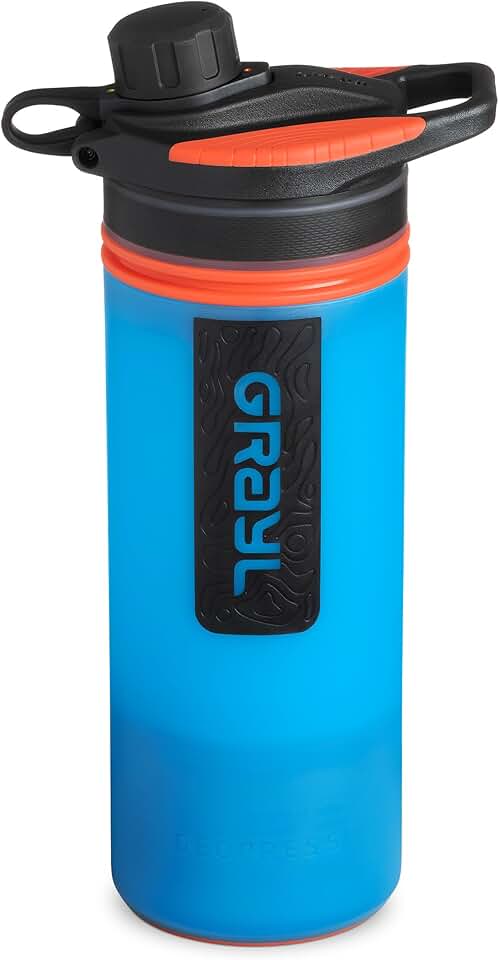
Purifies water in just 15 seconds, removing 99.9999% of viruses, 99.999% of bacteria, and 99.9% of protozoa · Meets EPA standards for water purification · Durable construction designed for rigorous outdoor use
This advanced water filtration bottle offers travelers a sustainable and convenient way to access clean drinking water, reducing reliance on single-use plastics and ensuring hydration on the go.

Built-in filter reduces chlorine taste and odor, as well as other impurities · BPA-free plastic construction · Convenient flip-top lid for easy drinking
This advanced water filtration bottle offers travelers a sustainable and convenient way to access clean drinking water, reducing reliance on single-use plastics and ensuring hydration on the go.
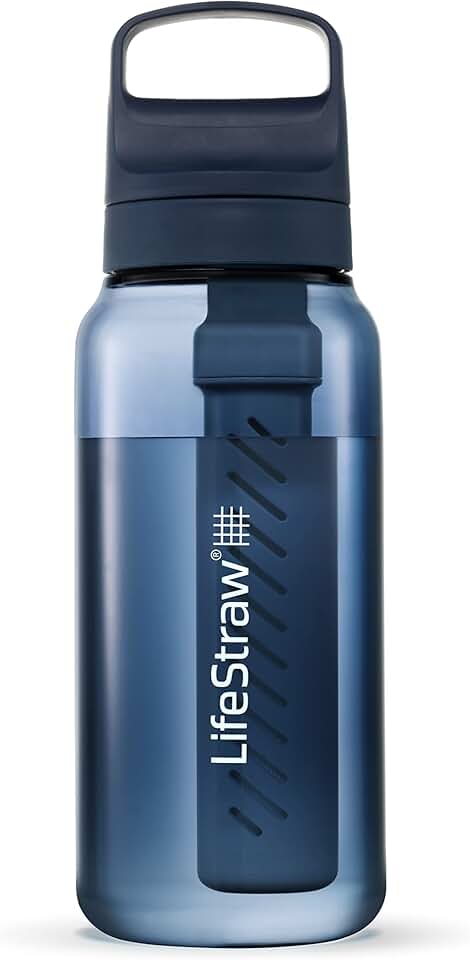
Removes 99.9999% of bacteria, 99.999% of parasites, and microplastics · Hollow fiber membrane filter with a pore size of 0.2 microns · BPA-free bottle with a 1-liter capacity
This advanced water filtration bottle offers travelers a sustainable and convenient way to access clean drinking water, reducing reliance on single-use plastics and ensuring hydration on the go.

Fast flow rate for quick filling and drinking · Collapsible design for easy packing and portability · Effective against bacteria and protozoa
This advanced water filtration bottle offers travelers a sustainable and convenient way to access clean drinking water, reducing reliance on single-use plastics and ensuring hydration on the go.
As an Amazon Associate I earn from qualifying purchases. Prices may vary.
Noise cancellation and repairability
Noise-canceling headphones might not seem like an obvious "green" accessory, but they can significantly contribute to more mindful travel. By blocking out distractions, they reduce the need for constant entertainment—which often means relying on energy-intensive devices. A quieter journey is often a more present journey.
Look for models made with recycled materials, like the Master & Dynamic MW65 Active Noise-Cancelling Headphones, which incorporate recycled aluminum and sustainable wood. Repairability is also key; choose headphones that are designed to be easily repaired rather than replaced. Battery life in eco-friendly models is generally comparable to conventional headphones, ranging from 20-30 hours depending on usage.
AI-Driven Navigation: Reducing Your Footprint
Getting around sustainably is easier than ever thanks to AI-powered navigation apps. These apps go beyond simply finding the shortest route; they factor in carbon emissions, suggest eco-friendly transportation options (walking, cycling, public transport), and even highlight local businesses committed to sustainability.
Apps like Citymapper and Google Maps are incorporating more sustainable routing options. They can calculate the carbon footprint of different travel modes and suggest alternatives. Some apps also offer optimized packing lists, encouraging you to pack lighter to reduce fuel consumption. This is where AI delivers real value.
I'm particularly excited about apps that integrate with local transportation networks to provide real-time information on bus and train schedules, making public transport a more convenient option. Features like dynamic route adjustments based on traffic and air quality are also becoming increasingly common.
Sustainable Luggage: Smart Materials & Tracking
Luggage is often overlooked but represents a significant environmental impact. Choosing luggage made from recycled materials—like ocean plastic or recycled fabrics—is a good first step. Several brands, including Parley for the Oceans and Monos, are now offering luggage made from recycled materials.
Smart luggage with built-in tracking (like Tile or Apple AirTag integration) can reduce the risk of loss and the need for replacement. Digital scales, integrated into the luggage itself, help you avoid overweight baggage fees, reducing fuel consumption on flights. Durability is paramount. Investing in high-quality, repairable luggage saves money and resources in the long run.
Consider the long-term cost savings of a well-made, durable bag. While it might have a higher upfront cost, it will likely last for years, avoiding the need to constantly replace cheaper, less sustainable options.
Translation & Communication: Breaking Down Barriers
AI-powered translation devices and apps can facilitate communication with locals, promoting cultural exchange and reducing reliance on tourist traps. These tools help you connect with communities on a deeper level, moving beyond superficial interactions.
Devices like the Pocketalk can translate conversations in real-time, while apps like Google Translate offer offline translation capabilities, reducing data usage. Offline translation is particularly useful in areas with limited internet access. However, accuracy can vary, especially with less common languages.
I’m curious to see how these devices improve in their ability to handle nuanced language and cultural context. While they’re not perfect, they represent a significant step towards breaking down communication barriers and fostering more meaningful travel experiences.

Anker Power Bank, 20,000mAh Travel Essential Portable Charger with Built-in USB-C Cable, 3-Port 87W Max Fast Charging Battery Pack, for MacBook, iPhone 16/15 Series, Samsung, Switch, and More ClimatePartner certified
- 20,000mAh high capacity
- Built-in USB-C cable
- 87W max fast charging
- ClimatePartner certified
Keep your devices powered sustainably on your adventures with this high-capacity, fast-charging power bank that's ClimatePartner certified for eco-conscious travelers.
View on Amazon →As an Amazon Associate I earn from qualifying purchases.


No comments yet. Be the first to share your thoughts!