

Beyond the Weekend: Redefining Micro-Adventure
Micro-adventures are more than just day trips or quick weekend getaways. They represent a shift in how we explore, showing that adventure isn't confined to lengthy vacations or far-flung destinations. It's about finding the extraordinary within the ordinary.
The pandemic prompted many to re-evaluate travel priorities. With international trips becoming uncertain, people looked closer to home. This isn't a compromise, but an opportunity to rediscover the beauty in our immediate surroundings and travel with more intention. A fulfilling experience doesn't always require a passport.
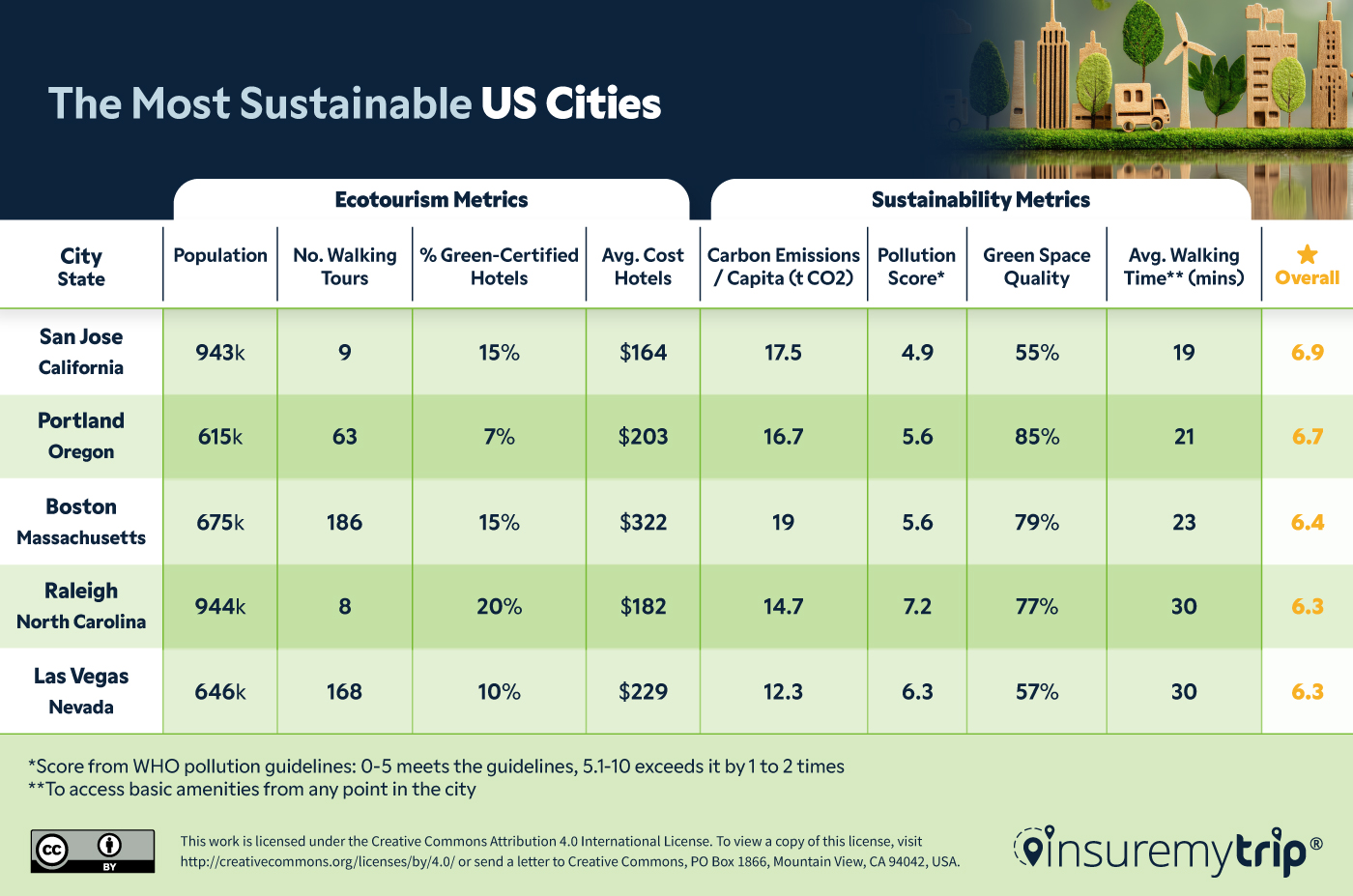
This shift aligns with a growing desire for sustainable travel. Micro-adventures have a lower carbon footprint than longer trips. They encourage supporting local businesses, exploring regional ecosystems, and connecting with where we live. This trend is both necessary and rewarding.
The Sustainability Imperative
The rise of micro-adventures is tied to growing environmental and social awareness. The Virginia Department of Conservation and Recreation’s 2023 report, Creating Sustainable Experiences in Adventure Travel, argues for prioritizing sustainability in all tourism, including short-term escapes.
The report emphasizes that true sustainability requires effort across environmental, social, and economic dimensions. This means minimizing impact on ecosystems, supporting local economies, and respecting cultures and communities. It's about enriching the experience by travelling thoughtfully.
People often assume sustainable travel means compromise or increased expense. Choosing a local farm stay over a large hotel can be more authentic and contribute directly to the local economy. Opting for a train journey over a short-haul flight drastically reduces your carbon footprint. It's about making conscious choices that benefit you and the places you explore.
- Minimize environmental impact: Reduce waste, conserve resources, and respect wildlife.
- Support local economies: Choose locally-owned businesses, restaurants, and accommodations.
- Respect local cultures: Learn about local customs and traditions, and be mindful of your behavior.
City Escapes: North America
From New York City, the Hudson Valley is easily accessible by train, offering charming towns, rolling hills, and hiking trails. A weekend exploring farms and orchards can cost $200-$400, including transportation and lodging. Los Angeles residents can escape to Channel Islands National Park, via a day trip ferry. Expect to pay $100-$200 for the ferry and park entrance fees.
Chicagoans have the Indiana Dunes National Park within reach, offering beautiful beaches and hiking trails along Lake Michigan—a quick drive and park entrance fee of $25 is all you need. Alternatively, cycling along the lakefront trail provides a fantastic urban adventure. In Toronto, the Bruce Trail, Canada’s oldest and longest footpath, offers sections accessible for day hikes. A trip to Niagara-on-the-Lake, exploring the wine region by bike, is another appealing option, costing roughly $150-$300 for transportation, wine tastings, and a potential overnight stay.
These cost estimates are approximate and will vary. Packing your own lunch, utilizing public transportation, and choosing free activities can reduce expenses. The goal is to experience something meaningful and connect with nature or local culture, not to spend a lot of money.
European Getaways: Close to Home
Europe's dense public transportation network and small geographic size suit micro-adventures. From London, the South Downs National Park offers rolling hills and charming villages, accessible by train in under an hour. A weekend exploring the Kent countryside costs around £150-£250 for travel and accommodation.
Paris residents can escape to the Fontainebleau Forest, a woodland area for hiking and rock climbing. Cycling along the Seine River offers a leisurely experience. A trip to Potsdam gardens from Berlin, a UNESCO World Heritage site, is achievable by train in under an hour, costing approximately €50-€100 for travel and entrance fees. The Spreewald canals, a biosphere reserve, are also nearby.
In Rome, the Castelli Romani hills offer a respite from the city's bustle, with towns and vineyards to explore. Coastal hikes south of Rome provide views of the Mediterranean Sea. Prioritizing train travel over flying reduces your carbon footprint and offers a more scenic journey. A round trip train from Paris to Fontainebleau is more sustainable than a flight.
Beyond the Trail: Unique Sustainable Experiences
Micro-adventures aren't limited to traditional outdoor activities. Opportunities exist for more immersive and sustainable experiences. Volunteering for a local conservation project, like a beach cleanup or tree planting, is a way to give back to the environment and connect with the community.
Attending a sustainable farming workshop or visiting a CSA farm offers a look at how food is grown responsibly. Guided foraging tours can introduce you to edible local plants. Participating in a citizen science project, like monitoring bird populations or tracking water quality, allows you to contribute to research.
Green Tortoise Adventure Travel (greentortoise.com) offers group camping tours prioritizing sustainability and community engagement in Alaska, the Canadian Rockies, and the Western USA. These tours often incorporate volunteer opportunities and educational experiences, showing that adventure travel can support local communities and preserve natural resources.
- Volunteer for a local conservation project.
- Attend a sustainable farming workshop.
- Visit a community-supported agriculture (CSA) farm.
- Take a guided foraging tour.
- Participate in a citizen science project.
Volunteer Opportunities
- Habitat for Humanity - Works in communities across the US and internationally to build affordable housing. Opportunities range from construction to administrative support. Many local chapters offer one-day volunteer builds.
- The Nature Conservancy - Offers volunteer opportunities focused on land and water conservation. Activities include trail maintenance, invasive species removal, and ecological monitoring. Opportunities are available near many major cities.
- Surfrider Foundation - Dedicated to protecting oceans and beaches. Volunteers participate in beach cleanups, coastal restoration projects, and advocacy efforts. Chapters are located along coastlines nationwide.
- National Park Service Volunteer Program - Provides opportunities to volunteer in national parks across the country. Tasks vary widely, including visitor services, trail maintenance, and resource management.
- Local Food Banks (Feeding America network) - Many food banks rely heavily on volunteers to sort, pack, and distribute food to those in need. A great option for a short-term, impactful volunteer experience.
- American Hiking Society - Organizes volunteer trail maintenance trips in national forests and parks. These trips often involve backpacking and camping, offering a more immersive experience.
- Earthwatch Institute - Connects volunteers with scientists conducting field research around the globe. While many projects are longer-term, some shorter expeditions are available, often focused on conservation or climate change.
Gear Up Responsibly
Choosing the right gear impacts the sustainability of your micro-adventure. Prioritize durability and repairability over fast fashion. Investing in high-quality, long-lasting equipment reduces replacements and waste. Look for brands prioritizing ethical manufacturing and sustainable materials.
Consider materials like recycled fabrics, organic cotton, and responsibly sourced wool. Avoid products made with harmful chemicals or unsustainable materials. Packing light is crucial – the less you carry, the less energy is required for transportation. A versatile wardrobe with layers allows adaptation to changing weather without overpacking.
Be wary of "greenwashing" – marketing claims that exaggerate environmental benefits. Research and look for certifications from reputable organizations. The most sustainable gear is often what you already own. Repairing and repurposing existing items is the most environmentally friendly option.
Planning Your Trip: Resources & Tools
Planning a sustainable micro-adventure is easier with online resources. AllTrails (alltrails.com) helps find local trails and read reviews. Rome2Rio (rome2rio.com) compares transportation options and finds sustainable routes. Booking.com and Airbnb offer filters for eco-friendly accommodations.
For finding sustainable tour operators, Adventure Green Alaska (adventuregreenalaska.org) provides a directory of certified businesses committed to responsible tourism practices. Local tourism boards often have information on eco-friendly activities and attractions. Don’t forget to check out other articles on Tourist Eco for more sustainable travel tips and destination ideas.
Remember to research local public transportation options and consider supporting businesses that prioritize sustainability. A little planning can go a long way in ensuring that your micro-adventure is both enjoyable and environmentally responsible.
- AllTrails: Find local trails and read reviews.
- Rome2Rio: Compare transportation options.
- Booking.com & Airbnb: Search for eco-friendly accommodations.
- Adventure Green Alaska: Directory of certified sustainable businesses.

No comments yet. Be the first to share your thoughts!