

Smarter routes and smaller footprints
AI is already changing how we move. It isn't about robots; it's about using data to find better routes. The U.S. Department of Transportation has used these systems for years to cut down on traffic jams. When cars and planes spend less time idling or circling, they burn less fuel. It's a simple efficiency gain that happens in the background of your booking app.
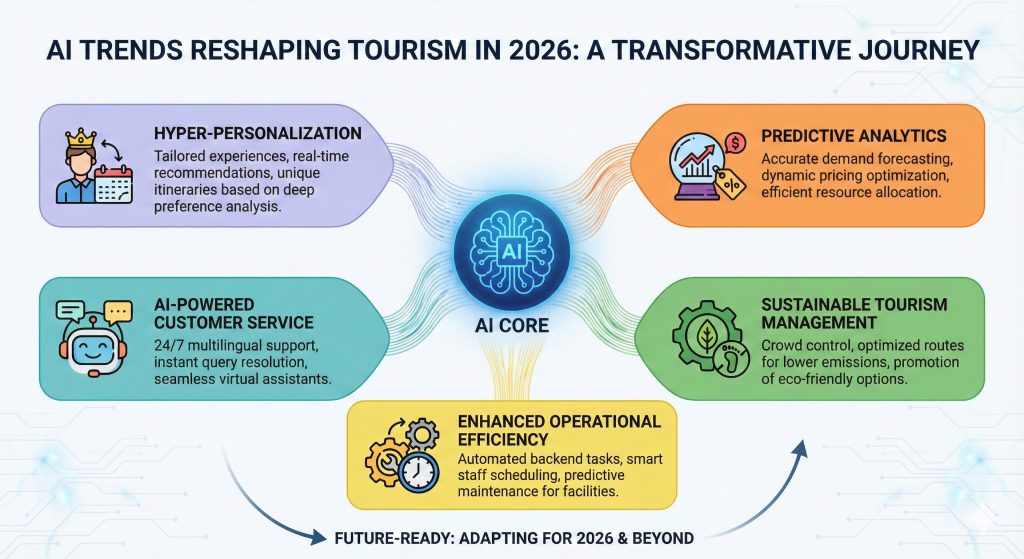
Beyond route optimization, AI can predict travel demand more accurately. This is particularly useful for airlines and hotels to anticipate occupancy rates, minimizing wasted resources like empty seats or unused rooms. Personalized recommendations are also emerging, suggesting more eco-friendly travel options based on individual preferences. Think of being nudged towards a train journey instead of a short-haul flight, not because it’s cheaper, but because it has a significantly lower carbon footprint.
The early stages involve a lot of data collection and analysis. AI needs to understand patterns to make effective predictions. We’re seeing this applied to things like airport operations, where AI can optimize baggage handling and ground transportation to reduce delays and fuel consumption. The key is to move beyond simply reacting to travel patterns and toward proactively shaping them to be more sustainable. It’s a complex undertaking, but the initial groundwork is being laid now.
These tools are only as good as the data we give them. If an airline hides its true fuel burn, the algorithm can't help. The tech is ready, but the industry has to actually use it for more than just marketing.
Dynamic pricing for greener choices
AI-driven dynamic pricing presents an interesting, though ethically complex, opportunity to incentivize sustainable travel choices. The idea is simple: offer discounts for off-peak travel, choosing eco-friendly transportation, or staying at hotels with strong sustainability practices. Airlines, for instance, could lower fares for flights with lower occupancy rates, encouraging people to travel during less crowded times.
However, this approach carries the risk of 'greenwashing'. If discounts are offered solely to appear environmentally responsible without genuine commitment to sustainability, it can erode trust. The effectiveness also depends on how the pricing algorithms are designed. If the discounts are too small or the process isn’t transparent, travelers may not be motivated to change their behavior.
To make dynamic pricing work effectively, a significant amount of data is needed – demand patterns, emission levels for different routes and modes of transport, and the sustainability performance of hotels. The algorithms must also be carefully designed to avoid unintended consequences, such as penalizing travelers who have no choice but to travel during peak seasons. It’s a delicate balance between incentivizing sustainable choices and ensuring fairness.
Smart Hotels and Resource Management
Hotels are increasingly adopting AI-powered systems to reduce their environmental footprint. Smart thermostats, for example, can automatically adjust room temperatures based on occupancy, minimizing energy waste. Automated lighting systems can dim or turn off lights in unoccupied areas, further reducing energy consumption. These aren’t huge changes in isolation, but they add up.
Predictive maintenance is another area where AI is proving valuable. By analyzing data from sensors, hotels can identify potential problems – like water leaks – before they occur, preventing water waste and costly repairs. AI-powered waste management systems can optimize recycling and composting efforts, reducing the amount of waste sent to landfills.
Hotels are collecting data on everything from energy usage to water consumption to guest behavior. This data is then analyzed to identify areas for improvement. However, this also raises privacy concerns. Guests may be uncomfortable with the idea of their movements and preferences being tracked. Hotels need to be transparent about how they’re collecting and using data, and they need to ensure that data is securely stored.
The investment in these technologies can be significant, but the long-term savings – both financial and environmental – can be substantial. We’re seeing larger hotel chains leading the way, but the cost is a barrier for smaller, independent hotels. It’s a case of needing to demonstrate a clear return on investment to encourage wider adoption.
Managing crowds at popular destinations
AI can play a crucial role in helping destinations manage tourism more sustainably. By predicting visitor flows, AI can help avoid overcrowding at popular attractions, protecting fragile ecosystems and improving the visitor experience. This involves analyzing data from various sources – social media, booking platforms, and mobile phone data – to anticipate where and when tourists will be.
Optimizing transportation networks is another key application. AI can analyze traffic patterns and suggest more efficient routes for buses and other public transportation, reducing congestion and emissions. It can also help manage parking facilities, directing visitors to available spaces and reducing the amount of time spent circling for parking.
Monitoring environmental conditions is also vital. AI can analyze data from sensors to detect changes in water quality, air pollution, or biodiversity, providing early warning signs of potential problems. This allows authorities to take proactive measures to protect the environment.
Successfully implementing these solutions requires collaboration between local communities, tourism operators, and government agencies. It’s essential to involve local communities in the planning process, ensuring that their needs and concerns are addressed. AI should be used as a tool to enhance sustainability, not to displace local communities or exploit natural resources.
Overcoming the Data Hurdles
AI’s effectiveness is completely reliant on data, and that’s where a major challenge lies. Reliable, standardized data on sustainability is often lacking. Different hotels and airlines use different metrics to measure their environmental impact, making it difficult to compare performance. There’s a real need for industry-wide standards and a centralized database of sustainability data.
Another data gap is the lack of information on the environmental impact of tourism activities. How much water does a round of golf consume? What is the carbon footprint of a whale watching tour? These are difficult questions to answer, but essential for making informed decisions. We need more research and data collection in this area.
The risk of bias in AI algorithms is also a concern. If the data used to train the algorithms is biased – for example, if it overrepresents certain types of travelers or destinations – the results will be biased as well. It’s crucial to ensure that the data is representative and that the algorithms are fair and transparent.
Improving data collection and sharing requires collaboration between governments, industry stakeholders, and research institutions. Open data initiatives and standardized reporting frameworks are essential. Addressing these data hurdles is not just a technical challenge; it’s a political and economic one as well.

No comments yet. Be the first to share your thoughts!