

AI is doing more than just booking flights
Travel planning used to be just about finding the cheapest flight. Now, AI is actually helping people cut their carbon footprint. It isn't just a trend; travelers genuinely want to stop trashing the places they visit, and new software is making that easier than it used to be.
This isn't a passive process. AI algorithms can now analyze vast datasets – from flight emissions to hotel energy consumption – to provide travelers with more informed choices. The potential is huge, but so is the risk of "greenwashing,’ where companies exaggerate their environmental credentials. That"s where the power of AI to verify and transparently display data becomes really important.
I believe the future of travel hinges on this ability to make genuine, sustainable choices accessible to everyone. It’s about empowering travelers to understand the true cost of their adventures, not just in dollars and cents, but in terms of their impact on the planet. This isn't simply about convenience; it’s about a fundamental change in how we approach exploration.
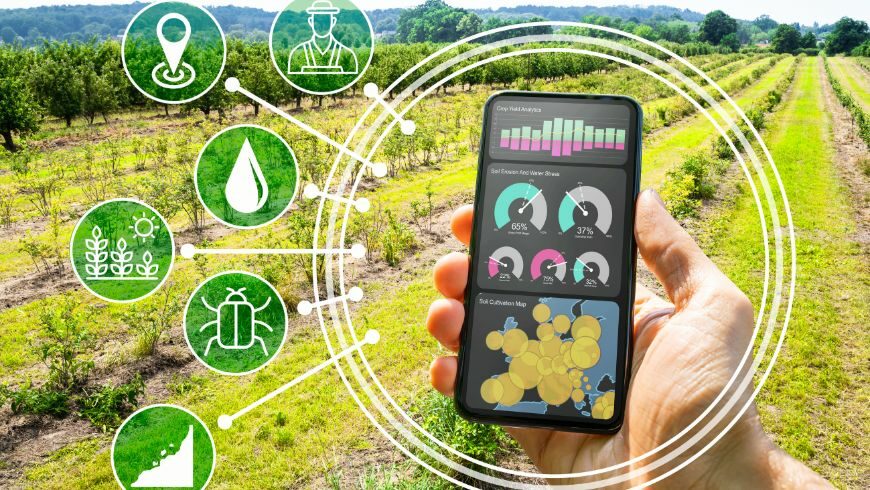
Seven apps for greener trips in 2026
The app market is quickly responding to this demand for sustainable travel options. Here are seven apps that are actively helping travelers make more responsible choices, each offering a different approach to minimizing impact. These aren’t ranked in a strict order, but represent a curated selection of tools worth exploring.
Plan A focuses on calculating the carbon footprint of your entire trip, from flights to accommodation to activities. It offers suggestions for reducing your impact and allows you to offset your emissions through verified projects. Plan A’s strength lies in its comprehensive approach, though it doesn’t currently offer booking options directly. Pricing varies depending on the level of detail and features used; they offer both individual and business plans.
BookDifferent is a hotel booking platform that specifically highlights accommodations with sustainability certifications. They prioritize hotels that actively work to reduce their environmental impact, offering clear information about their initiatives. BookDifferent doesn’t charge extra fees for using their platform, earning revenue through commissions from hotels. What sets it apart is its focus on transparency and verifiable certifications.
Fairbnb is an alternative to Airbnb that prioritizes community benefit. It directs a percentage of its booking fees to local community projects, ensuring that tourism revenue stays within the local economy. They also encourage hosts to adopt sustainable practices. Fairbnb’s model is particularly appealing to travelers who want to support local communities directly.
Ecobnb is similar to BookDifferent, specializing in eco-friendly accommodations. They feature a wide range of options, from sustainable hotels to agritourism stays, with detailed information about their environmental practices. Ecobnb also offers a platform for sharing sustainable travel tips and experiences. Their pricing is comparable to other booking platforms, and they earn revenue through commissions.
Pawngo takes a unique approach by allowing travelers to offset their carbon footprint through micro-loans to sustainable projects. Instead of simply donating to a carbon offset program, you're directly investing in initiatives that reduce emissions. Pawngo’s model is appealing to those who want a more tangible impact. It is currently focused on a limited number of projects, but is expanding.
Loki is a social travel planner that allows you to collaborate with friends on trip planning, and it also incorporates sustainability features. It helps you find eco-friendly activities and accommodations, and it allows you to track your carbon footprint. Loki’s strength is its social aspect, making it easy to plan sustainable trips with others. It is currently free to use, with plans to introduce premium features in the future.
Finally, Sustainable Travel & Living (sustainabletravelandliving.com) is an online shop that provides a range of green travel accessories and essentials. From reusable water bottles and bamboo toothbrushes to solar-powered chargers and zero-waste toiletries, they offer everything you need to travel more sustainably. They offer $5 flat rate shipping on orders over $50 and a 10% discount for new sign-ups.
How carbon math actually works
Many of these apps calculate your trip's carbon footprint, but it’s important to understand how these calculations work. Generally, they use data on fuel consumption, distance traveled, and the type of transportation used. For flights, this includes factors like aircraft type and flight class. For accommodation, it considers energy usage and waste management practices.
However, these calculations aren't perfect. There's a lot of variability in the data, and different methodologies can produce different results. Some calculations only consider CO2 emissions, while others include other greenhouse gases. It’s also difficult to accurately account for the entire lifecycle of a trip, including the production of goods and services consumed during travel.
These numbers aren't perfect, but they give you a baseline. If one flight shows double the emissions of another, that's useful data even if the exact gram count is slightly off. It's better to have a rough estimate than to fly blind.
Beyond Accommodation: Finding Local Impact
The shift towards sustainable travel isn't just about eco-friendly hotels; it’s about supporting local communities. AI-powered apps are increasingly connecting travelers with authentic experiences that benefit the places they visit. This includes tours led by local guides, workshops that showcase traditional crafts, and opportunities to volunteer with community-based organizations.
This approach helps to avoid "leakage" – the phenomenon where tourist money flows out of the local economy and into the hands of large corporations. By directly supporting local businesses and initiatives, travelers can ensure that their spending has a positive impact. Apps that prioritize local experiences are crucial in this regard.
I've found that the most rewarding sustainable travel experiences are those that allow me to connect with local people and learn about their culture. It’s about more than just seeing a place; it’s about understanding it and contributing to its well-being. This is where the social aspect of sustainable tourism really shines.
Cheaper prices for cleaner flights
A fascinating trend is the emergence of dynamic pricing that incentivizes sustainable choices. Some apps are experimenting with offering lower prices for flights with lower carbon emissions or for hotels that have invested in sustainability initiatives. The idea is to make the greener option the more affordable option.
This approach has the potential to be very effective, but it also raises concerns about greenwashing. If the price difference is insignificant, it may not be enough to sway travelers. And if the sustainability claims aren't verifiable, it could be seen as a manipulative tactic. It's a delicate balance.
Whether dynamic pricing truly drives sustainable behavior will depend on transparency and accountability. Travelers need to be able to trust that the price difference reflects a genuine environmental benefit. It’s a promising concept, but it requires careful implementation.
Dynamic Pricing Capabilities of Leading Sustainable Travel Apps (2026)
| App Name | Dynamic Pricing for Carbon Footprint | Dynamic Pricing for Local Impact | Transparency of Pricing Algorithm | Overall Score |
|---|---|---|---|---|
| Wayfarer Eco | Medium | Low | Medium | Medium |
| GreenRoutes | High | Medium | High | High |
| EcoExplore | Low | Low | Low | Low |
| PlanetPass | Medium | High | Medium | Medium |
| SustainableTrips | High | Medium | Medium | High |
| LocalFootprint | Low | High | Low | Medium |
| TerraJourney | Medium | Medium | High | Medium |
Illustrative comparison based on the article research brief. Verify current pricing, limits, and product details in the official docs before relying on it.
Data Privacy & AI: A Traveler's Concern
AI relies on data, and that raises legitimate privacy concerns. These apps collect information about your travel preferences, your location, and your spending habits. It’s important to understand how this data is being used and what safeguards are in place to protect your privacy.
Review the app’s privacy policy carefully before using it. Pay attention to what data is collected, how it’s stored, and who it’s shared with. Be wary of apps that collect excessive amounts of data or that share your information with third parties without your consent.
You can also take steps to protect your privacy, such as using a VPN, limiting location tracking, and using strong passwords. Remember, you have the right to control your data and to make informed choices about how it’s used. It is important to practice responsible travel practices when it comes to your data too.

No comments yet. Be the first to share your thoughts!