

Defining climate-positive travel
Sustainability is often just a marketing buzzword that means 'doing less bad.' That isn't enough anymore. Climate-positive travel is different because it focuses on active restoration rather than just slowing down destruction.
Climate positivity means that an accommodation doesn’t just lessen its carbon footprint – it removes more carbon from the atmosphere than it emits. This isn’t achieved through simple offsets, though those can play a role. It requires a fundamental rethinking of operations, from energy consumption to waste management and supply chains. It’s a holistic approach.
There’s a lot of confusion around carbon offsetting. Purchasing carbon credits can be a useful tool, but it's vital to ensure the projects are legitimate and truly additional – meaning the carbon reduction wouldn't have happened without the funding. Too often, offsets are used as a license to continue polluting, rather than a catalyst for real change. We need to be critical of these schemes.
Regenerative tourism is closely linked to climate positivity. It goes beyond sustainability by actively improving ecosystems and supporting local communities. This means investing in projects that restore biodiversity, enhance natural resources, and empower local economies. It’s about leaving a place better than you found it, and that’s a powerful idea.
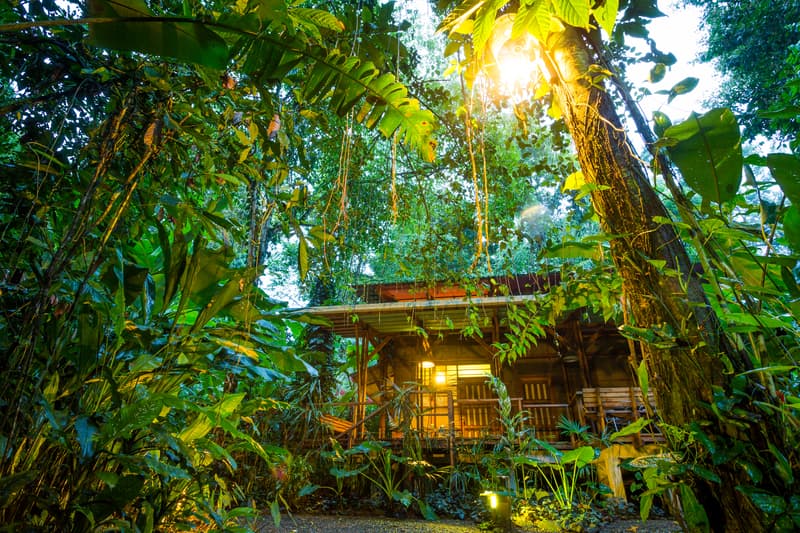
Lodges leading the way in 2026
More hotels are trying to be climate-positive, but greenwashing is everywhere. You have to look closely at the data to see who is actually making a difference. These properties are currently the best examples of how to run a lodge without destroying the planet.
Six Senses Hotels Resorts Spas is a global leader, with properties across Asia, Europe, and the Americas. They prioritize on-site renewable energy, water conservation, and waste reduction. Their Earth Lab program focuses on ecological restoration and community engagement, and they're actively working towards net-zero emissions across their portfolio. They’ve invested heavily in solar power and water bottling plants to reduce reliance on external resources.
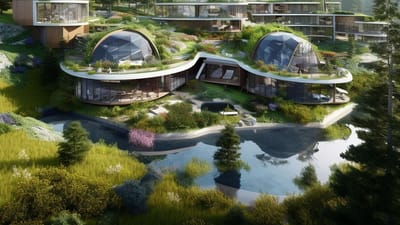
Whitepod Hotel in the Swiss Alps offers a unique experience in geodesic domes. They’ve minimized their environmental impact through energy-efficient construction, waste sorting, and a commitment to local sourcing. While they don’t generate all their energy on-site, they offset their remaining emissions through a partnership with MyClimate, supporting a local reforestation project. They also limit water usage through innovative bathroom systems.
Soneva Fushi in the Maldives is renowned for its commitment to sustainability. They’ve implemented a comprehensive waste management system, including a recycling center and a composting facility. They also invest in renewable energy and support local communities through educational programs. Their 'Waste to Wealth' initiative transforms waste materials into valuable products.
Fogo Island Inn in Newfoundland, Canada, is a striking example of regenerative tourism. The inn is owned by a local non-profit organization and employs residents from the surrounding fishing villages. It actively supports the preservation of local culture and traditions while minimizing its environmental impact. They’ve focused on preserving the island's unique ecosystem and supporting local artisans.
Lefay Resort & SPA Lago di Garda in Italy focuses on holistic wellbeing and environmental sustainability. They use geothermal energy for heating and cooling, and they’ve implemented a comprehensive water management system. They also prioritize local sourcing and organic cuisine. The resort is certified by various sustainability organizations, including Green Globe.
The Brando in French Polynesia is a luxury eco-resort built on the private atoll of Tetiaroa. It’s powered by solar energy and deep-sea water air conditioning, minimizing its reliance on fossil fuels. They also have a research station dedicated to studying and protecting the local ecosystem. Their commitment to biodiversity conservation is a key aspect of their operation.
Longitude 131° in Australia's Red Centre offers a luxury desert experience with a focus on sustainability. They’ve implemented water conservation measures and support local Indigenous communities. They operate with a low-impact philosophy, respecting the fragile desert environment. They work closely with the local Anangu people to promote cultural tourism.
Song Saa Private Island in Cambodia is a luxury resort committed to marine conservation. They’ve established a marine reserve to protect the surrounding coral reefs and support local fishing communities. They also invest in renewable energy and waste management. They actively work to combat plastic pollution in the region.
Gaia House Tulum in Mexico is a boutique hotel that prioritizes sustainability and wellness. They use solar energy, rainwater harvesting, and composting systems. They also support local artisans and offer organic, locally sourced cuisine. They aim to create a harmonious relationship between humans and nature.
Climate-Positive Hotels & Eco-Lodges: A Comparative Overview (2026)
| Location | Price Range (per night) | Key Climate-Positive Initiatives | Certifications | Overall Climate Impact |
|---|---|---|---|---|
| Six Senses Laamu, Maldives | USD 800 - 2,500+ | * Extensive marine conservation program, including coral restoration. * Locally sourced food, minimizing transportation emissions. * Water bottling plant reducing plastic waste. * Renewable energy integration (solar power). * Community engagement projects supporting local livelihoods. | Green Globe Certified | High |
| Fogo Island Inn, Newfoundland, Canada | CAD 600 - 1,800+ | * Social enterprise model – profits reinvested in the local community. * Preservation of local traditions and crafts. * Minimal environmental footprint design, utilizing local materials. * Sustainable seafood sourcing. * Focus on low-impact tourism. | B Corp Certified | High |
| Lefay Resort & SPA Lago di Garda, Italy | EUR 300 - 1,000+ | * Focus on energy efficiency and renewable energy sources. * Waste reduction and recycling programs. * Use of natural and organic products. * Water conservation measures. * Promotion of local biodiversity. | Legambiente Turismo | Medium |
| Pacuare River Lodge, Costa Rica | USD 300 - 600+ | * Located in a remote rainforest, minimizing impact on ecosystems. * Powered by 100% renewable energy (hydroelectric). * Supports local conservation efforts. * Employs local community members. * Sustainable building practices using natural materials. | Certification for Sustainable Tourism (CST) | High |
| Song Saa Private Island, Cambodia | USD 600 - 1,500+ | * Marine conservation zone protecting surrounding reefs. * Reforestation projects on the island. * Waste management and recycling programs. * Supports local schools and communities. * Sustainable sourcing of food and materials. | Travelife Certified | Medium |
| Bardessono, Yountville, California, USA | USD 800 - 2,000+ | * LEED Platinum certified building design. * On-site organic garden providing produce for the restaurant. * Water conservation and greywater recycling systems. * Electric vehicle charging stations. * Commitment to reducing carbon footprint. | LEED Platinum | Medium |
Illustrative comparison based on the article research brief. Verify current pricing, limits, and product details in the official docs before relying on it.
Which certifications actually matter?
Navigating the world of sustainability certifications can be tricky. There’s a proliferation of labels, and their rigor varies considerably. It’s essential to understand what each certification actually verifies and to look beyond marketing claims. Relying solely on a certification isn’t enough; due diligence is still required.
B Corp Certification is a comprehensive assessment of a company's social and environmental performance. It covers areas like governance, workers, community, the environment, and customers. It’s a rigorous certification that requires ongoing verification. While not specific to hotels, it’s a strong indicator of a company’s commitment to sustainability.
LEED (Leadership in Energy and Environmental Design) focuses specifically on building design and construction. It assesses factors like energy efficiency, water conservation, and indoor environmental quality. It’s a widely recognized certification, but it doesn’t necessarily address all aspects of sustainability, like social impact.
Green Globe is a sustainability certification specifically for the travel and tourism industry. It assesses a property’s environmental, social, and economic performance. It’s a relatively rigorous certification, but some critics argue that it’s not as comprehensive as B Corp.
Travelife is another sustainability certification for the tourism industry. It focuses on environmental management, social responsibility, and economic sustainability. It offers different levels of certification, with higher levels requiring more rigorous standards. It's been around for a while, but its influence has waned somewhat.
Emerging standards for carbon removal verification are also gaining traction. These standards aim to ensure that carbon removal projects are credible and effective. Look for certifications that follow methodologies developed by organizations like Puro.earth or the Gold Standard. These standards are still evolving, but they represent a step in the right direction.
New tech in eco-lodging
Technology is playing an increasingly important role in driving climate-positive accommodation. From smart energy management systems to innovative building materials, new technologies are helping hotels and lodges reduce their environmental impact and improve their efficiency. The potential for innovation is vast.
Smart energy management systems use sensors and data analytics to optimize energy consumption. They can automatically adjust lighting, heating, and cooling based on occupancy and weather conditions. Companies like Siemens and Honeywell offer these systems, and they can significantly reduce energy waste. Some systems even use AI to predict energy demand and optimize performance.
Water conservation technologies are also crucial. Low-flow fixtures, rainwater harvesting systems, and greywater recycling systems can significantly reduce water consumption. Some hotels are even using atmospheric water generators to create potable water from air humidity. These technologies are becoming increasingly affordable and effective.
On-site renewable energy generation is becoming more common. Solar panels, wind turbines, and geothermal systems can provide clean, renewable energy. The cost of renewable energy has fallen dramatically in recent years, making it a viable option for many hotels and lodges. Battery storage systems are also becoming increasingly important for storing excess energy.
Innovative building materials can reduce the environmental impact of construction. Materials like bamboo, hempcrete, and recycled plastic are sustainable alternatives to traditional building materials. These materials often have a lower carbon footprint and can improve indoor air quality. Carbon-sequestering concrete is also emerging as a promising technology.
Carbon capture technologies, while still in their early stages of development, have the potential to play a role in the hospitality industry. Direct air capture (DAC) technology can remove carbon dioxide directly from the atmosphere. While currently expensive, the cost of DAC is expected to fall in the coming years. Hotels could potentially use DAC technology to offset their remaining emissions.
How tourism helps local communities
Climate positivity extends beyond reducing emissions; it's about actively restoring ecosystems and supporting local communities. Regenerative tourism recognizes that true sustainability requires a holistic approach that benefits both the environment and the people who live in and around tourism destinations. It’s about creating a positive feedback loop.
Many lodges are now involved in reforestation projects, planting trees to restore degraded forests and sequester carbon. Others are supporting wildlife conservation efforts, protecting endangered species and their habitats. These projects not only benefit the environment but also provide economic opportunities for local communities.
Community development initiatives are also crucial. Lodges can support local schools, healthcare facilities, and small businesses. They can also provide training and employment opportunities for local residents. Ethical sourcing and fair labor practices are essential components of regenerative tourism.
Fogo Island Inn serves as a prime example. Its ownership structure and employment practices directly benefit the local community. They prioritize preserving the island’s unique cultural heritage and supporting local artisans. This model demonstrates the power of tourism to drive positive social and economic change.
Soneva Fushi’s support for local schools and healthcare facilities in the Maldives is another example. They’ve invested in education and healthcare infrastructure, improving the quality of life for local residents. They also prioritize hiring local staff and sourcing goods and services from local businesses.
Standout Lodges: Worth a Closer Look
From the previous list, a few lodges truly stand out for their innovative approaches and impactful results. These properties are not just minimizing their environmental impact; they’re actively contributing to a more sustainable future.
Soneva Fushi (Maldives) deserves further attention for its comprehensive waste management system and commitment to marine conservation. Their 'Waste to Wealth' initiative is a model for other resorts, demonstrating how waste can be transformed into valuable resources. They’ve also made significant investments in renewable energy and community development.
Fogo Island Inn (Canada) is remarkable for its unique ownership structure and its dedication to preserving local culture. The inn’s economic benefits are directly channeled back into the community, supporting local livelihoods and preserving traditional ways of life. It’s a powerful example of how tourism can be a force for good.
The Brando (French Polynesia) showcases the potential of luxury eco-tourism. Its commitment to renewable energy and deep-sea water air conditioning sets a high standard for sustainability. The resort’s research station also plays a vital role in studying and protecting the local ecosystem. It proves that luxury and sustainability aren’t mutually exclusive.
Climate-Positive Stays
- Soneva Fushi (Maldives) - This resort actively works to reduce carbon emissions through initiatives like ecological waste management, coral restoration, and supporting local communities. They also invest in projects to offset remaining emissions, aiming for carbon neutrality.
- Fogo Island Inn (Newfoundland, Canada) - Built with a commitment to social and environmental sustainability, Fogo Island Inn prioritizes local employment, supports traditional crafts, and operates with a low-impact design, minimizing its footprint on the surrounding landscape.
- Six Senses Hotels Resorts Spas (Global) - Six Senses integrates sustainability into all aspects of its operations, from water conservation and waste reduction to sourcing local and organic food. They actively participate in community development projects and promote responsible tourism.
- Lefay Resorts (Italy) - Focused on holistic wellness and environmental responsibility, Lefay Resorts utilizes renewable energy sources, implements water-saving technologies, and promotes biodiversity conservation in the surrounding areas. They also offer guests opportunities to engage in sustainable activities.
- Pacuare River Lodge (Costa Rica) - Accessible only by 4x4 or raft, this lodge minimizes its environmental impact through off-grid operation, sustainable building practices, and a strong commitment to protecting the surrounding rainforest and Pacuare River ecosystem.
- Longitude 131° (Australia) - This luxury camp near Uluru actively supports Indigenous culture and environmental conservation. They focus on responsible water usage, waste management, and minimizing their impact on the fragile desert environment. They also contribute to local conservation efforts.
- The Brando (French Polynesia) - Designed with sustainability at its core, The Brando utilizes seawater air conditioning, solar energy, and locally sourced materials. It’s committed to preserving the natural environment of Tetiaroa atoll and supporting local communities.
No comments yet. Be the first to share your thoughts!