

Beyond Sustainability: What is Regenerative Tourism?
Sustainable tourism has long focused on minimizing harm. But with the climate crisis and biodiversity loss, simply doing less bad isn't enough. Regenerative tourism offers a more proactive approach.
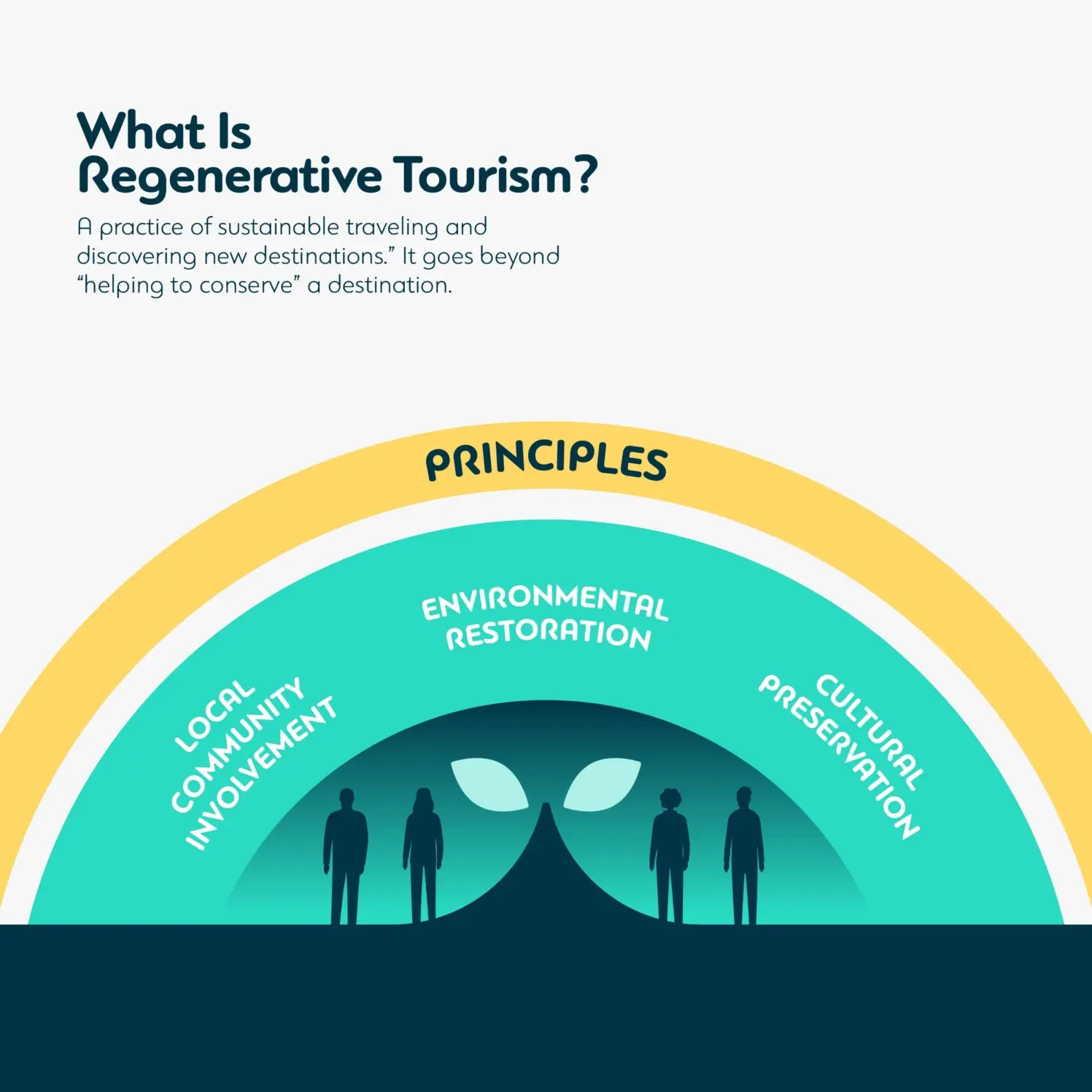
Regenerative tourism actively restores and improves destinations, aiming for a positive impact on ecosystems and communities. Its core principles include restoring ecological health, empowering local communities economically, and revitalizing cultural heritage, ensuring travel leaves a place better than found.
While the idea isn't new, 2026 marks a turning point. Traveler awareness and industry shifts are growing, with more destinations recognizing the long-term benefits of regeneration over short-term profits. A place's health is directly linked to its tourism potential.
Visiting the Cloud Forest Sanctuary in Costa Rica offered a firsthand example. It’s a restoration project that has reforested a degraded area, created a marine reserve, and actively involves the local community in conservation. Witnessing that direct, positive impact was transformative, showing that tourism can be a force for good when intentionally designed.
The 12 Destinations Leading the Way
These destinations actively implement projects that restore ecosystems and support local communities. While 'regenerative' is a spectrum and no place is perfect, these locations push boundaries and offer examples.
Bhutan has long prioritized Gross National Happiness over Gross Domestic Product. Their high-value, low-impact tourism policy limits visitor numbers and directs revenue towards conservation and social programs. They’ve committed to remaining carbon neutral and are actively expanding their forest cover. Visitors contribute through a daily sustainable development fee.
Palau is a pioneer in marine conservation. They created the Palau National Marine Sanctuary, protecting 80% of their exclusive economic zone. They also require visitors to sign a "Palau Pledge" – a promise to act responsibly during their stay. This commitment has helped preserve their incredible biodiversity.
Slovenia has branded itself as a "Green Destination’. They"re focused on sustainable mobility, preserving natural resources, and supporting local producers. Ljubljana, the capital, is a car-free zone, and the country has a strong network of hiking and biking trails. They actively promote slow tourism.
Costa Rica continues to be a leader in ecotourism. Beyond the Cloud Forest Sanctuary, numerous lodges and tour operators are committed to sustainable practices. The country has made significant progress in reforestation and protecting its biodiversity, aiming to become carbon neutral by 2050.
Rwanda is investing heavily in conservation and community-based tourism. Volcanoes National Park is a prime example, with gorilla trekking permits generating revenue for local communities and supporting conservation efforts. They’re also focusing on developing sustainable agriculture and ecotourism in other parts of the country.
Chumbe Island, Tanzania is a shining example of a private-sector led regenerative project. This coral reef sanctuary was established to protect the surrounding marine environment and provide environmental education. It’s entirely self-sufficient, powered by renewable energy, and employs local people.
Sapa, Vietnam is undergoing a transformation. Traditionally, tourism in Sapa wasn’t particularly beneficial for local ethnic minority communities. Now, there’s a growing movement towards community-based tourism, with homestays and trekking tours led by local guides. Organizations like Sapa O’chau are working to empower local communities and preserve their culture.
The Azores, Portugal, are volcanic islands committed to sustainable tourism. They focus on preserving their unique natural environment and promoting responsible whale watching. They’re also investing in renewable energy and sustainable agriculture. The Azores Geopark certification encourages responsible tourism practices.
Norway’s fjord region is embracing sustainable tourism to protect its fragile ecosystems. They're promoting electric ferries and encouraging visitors to explore by foot, bike, or kayak. Efforts are underway to manage visitor flows and minimize the impact of cruise ships. The focus is on preserving the natural beauty of the fjords.
Finland (Lapland) is focused on sustainable winter tourism. They’re promoting responsible reindeer herding, minimizing light pollution, and supporting local Sami culture. Many lodges are built with sustainable materials and operate on renewable energy. The emphasis is on experiencing the Arctic wilderness responsibly.
The Colombian coffee region is shifting towards regenerative agriculture. Farmers are adopting practices like agroforestry and composting to improve soil health and biodiversity. Tourism is playing a role in supporting these farmers and promoting sustainable coffee production. Visitors can learn about the coffee-making process and support local communities.
Measuring Impact: What Does 'Improve' Actually Mean?
Defining and measuring 'improvement' is regenerative tourism's biggest challenge. Unlike sustainable tourism's focus on minimizing negative impacts, regenerative tourism aims for net positive outcomes. Quantifying this is complex.
The Global Sustainable Tourism Council (GSTC) has criteria for regenerative tourism, focusing on biodiversity conservation, community wellbeing, and cultural preservation. These criteria provide a framework, but translating them into concrete metrics is complex, as measuring biodiversity increases requires long-term monitoring and baseline data.
Potential metrics include changes in forest cover, carbon sequestration rates, increases in local income and employment, improvements in water quality, and the revitalization of traditional crafts and languages. However, data collection is expensive and time-consuming, and attributing changes directly to tourism is often difficult.
A single, standardized metric for regenerative impact is unlikely to emerge. A holistic approach considering multiple indicators and involving local communities in monitoring is needed. Transparency and accountability are crucial, requiring destinations to be honest about progress and challenges.
- Biodiversity increases: Measured through species counts and habitat restoration.
- Carbon sequestration rates: Assessing the amount of carbon stored in soil and vegetation.
- Local economic benefits: Tracking fair wages, business ownership, and revenue sharing.
- Cultural revitalization: Documenting the preservation of traditional practices and languages.
Regenerative Tourism Assessment: 2026 Hotspots
| Destination | Ecosystem Restoration | Community Empowerment | Cultural Preservation | Economic Equity |
|---|---|---|---|---|
| Costa Rica | Established | Leading | Established | Developing |
| Bhutan | Leading | Established | Leading | Developing |
| Palau | Developing | Established | Developing | Developing |
| Slovenia | Developing | Developing | Established | Developing |
| Norway | Established | Developing | Established | Established |
| Rwanda | Developing | Developing | Developing | Emerging |
| Colombia | Developing | Developing | Developing | Developing |
| New Zealand | Established | Developing | Established | Established |
Illustrative comparison based on the article research brief. Verify current pricing, limits, and product details in the official docs before relying on it.
Beyond the Brochure: How *You* Can Travel Regeneratively
Regenerative travel is about how you travel, not just where. It requires a mindset shift from passive consumer to active participant in the destination's wellbeing.
Support local businesses by choosing locally owned hotels, restaurants, and tour operators. Buy souvenirs directly from artisans and craftspeople to ensure money stays within the community and contributes to its economic sustainability.
Respect local customs and traditions by learning basic phrases, dressing modestly at religious sites, and observing local etiquette. Respect for local culture fosters positive relationships and preserves heritage.
Minimize your environmental footprint by reducing water usage, conserving energy, and avoiding single-use plastics. Choose eco-friendly transport like walking, biking, or public transport, and properly dispose of waste. Participate in conservation activities like beach cleanups.
Be wary of 'voluntourism.' While well-intentioned, some programs can cause harm. Ensure volunteering is genuinely needed and conducted responsibly, focusing on supporting local, community-led organizations.
The Cost of Doing Good: Is Regenerative Travel More Expensive?
Regenerative travel often has a higher price tag. Sustainable and regenerative accommodations and tours typically cost more than conventional options due to investments in sustainable practices, fair wages, and community development.
Regenerative travel doesn't have to break the bank. Conscious choices like traveling during the shoulder season, staying in locally owned guesthouses, and using public transportation can reduce costs. The value is in a more meaningful and impactful experience.
Supporting regenerative tourism contributes to preserving ecosystems and cultures, ensuring destinations remain viable for future generations. It's an investment in a sustainable future with intrinsic value. Destinations like Slovenia, focusing on local experiences, can be surprisingly affordable.
Standout Initiatives: Projects Worth Supporting Directly
Beyond choosing a regenerative destination, you can directly support projects making a difference.
Cloud Forest Sanctuary, Costa Rica (): This sanctuary relies on visitor revenue to fund its reforestation and conservation efforts. You can support them by staying at their lodge or donating directly to their projects.
Sapa O’chau, Vietnam (): This social enterprise empowers local ethnic minority communities through sustainable tourism. They offer trekking tours led by local guides and support community development projects. You can support them by booking a tour or purchasing their handicrafts.
Palau Pledge (): While not a direct donation, signing and upholding the Palau Pledge supports their conservation efforts. You can also donate to the Palau Conservation Society to further their work.



No comments yet. Be the first to share your thoughts!