

Beyond sustainability
For years, "sustainable tourism’ has been the buzzword, aiming to lessen the negative impacts of travel. But simply doing less harm isn’t enough anymore. The planet is facing complex challenges that require a more proactive approach. This is where regenerative tourism comes in – it"s about actively improving destinations, not just preserving them.
Regenerative tourism goes beyond minimizing footprints; it seeks to heal and enhance the places we visit. Think of it as travel that contributes to the wellbeing of ecosystems and communities. Instead of asking "how can we travel without causing damage?’, we ask ‘how can our travels benefit the environment and local populations?"
The concept isn't entirely new. Ideas around holistic tourism and ecotourism have been around for decades, but regenerative tourism represents a significant evolution. It’s gaining traction now, in 2026, because the urgency of the climate crisis and growing awareness of social inequalities demand a more transformative approach. It’s a response to the realization that maintaining the status quo simply isn’t viable.
Crucially, regenerative tourism isn’t about a single action, like planting trees to offset carbon. It’s a systemic shift, requiring collaboration between travelers, businesses, and local communities. It requires acknowledging that travel impacts extend far beyond carbon emissions – impacting culture, economies, and the very fabric of life in a place.
The mechanics of regenerative travel
Several core principles underpin regenerative tourism. First and foremost is community ownership. This means local communities are actively involved in decision-making processes and benefit directly from tourism revenue. It’s about empowering them to shape the future of their own destinations, not having it imposed upon them.
Ecological restoration is another key principle. This involves actively working to restore degraded ecosystems – replanting forests, cleaning up waterways, or protecting biodiversity. It’s a recognition that healthy ecosystems are essential for both environmental and economic wellbeing. The Global Sustainable Tourism Council (GSTC) emphasizes the importance of preserving biodiversity and natural resources in their criteria.
Local economic benefits are vital. Regenerative tourism prioritizes supporting local businesses, creating jobs, and ensuring that tourism revenue stays within the community. This might involve sourcing food locally, hiring local guides, or investing in community-owned enterprises. It's about building a more equitable and resilient tourism economy.
Finally, cultural preservation is integral. Regenerative tourism respects and celebrates local cultures, traditions, and heritage. It avoids commodifying culture and instead supports authentic cultural experiences that benefit local communities. It’s about learning from and appreciating the unique identity of each place. These aren’t checkboxes to tick off, though; it’s a holistic mindset.
Top 15 Destinations Leading the Way
Palau is a standout example. They require visitors to sign the Palau Pledge on arrival—a legal commitment to the children of Palau to act ecologically. The entry fees go straight into conservation, making every visitor a micro-investor in the island's health.
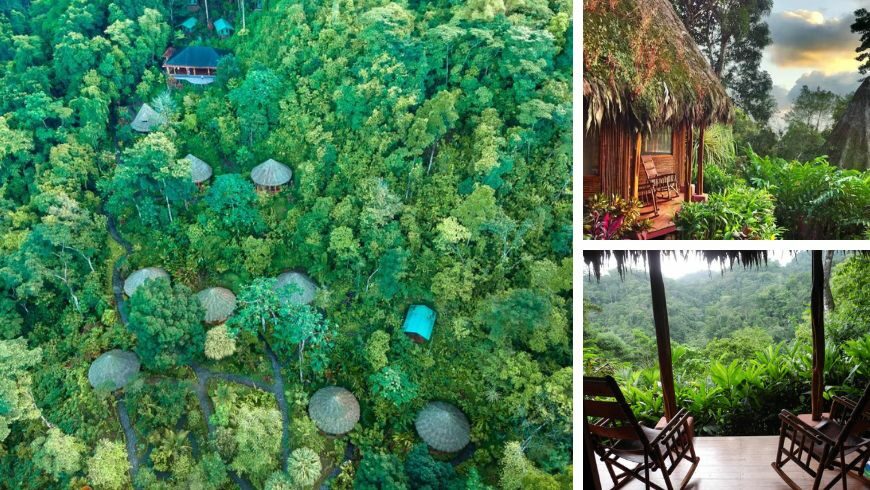
Costa Rica continues to be a leader, with a strong focus on reforestation and ecotourism. They’ve made significant investments in protecting their rainforests and promoting sustainable agriculture. Many lodges are actively involved in habitat restoration projects, offering guests the chance to participate in conservation efforts.
Bhutan, famously prioritizing Gross National Happiness over GDP, operates on a high-value, low-impact tourism model. They limit the number of tourists and charge a daily fee that contributes to conservation and social programs. This ensures that tourism benefits the country as a whole.
Slovenia has been designated a Green Destination of the world, demonstrating a commitment to sustainable tourism practices across the board. They are focused on preserving their natural beauty and promoting responsible travel experiences.
The Azores, a Portuguese archipelago, is investing heavily in renewable energy and sustainable agriculture. They are working to become a self-sufficient and carbon-neutral destination.
Finland is promoting sustainable forestry and wilderness tourism, offering visitors the chance to connect with nature in a responsible way. They emphasize respecting the environment and supporting local communities.
Norway is investing in electric ferries and sustainable infrastructure, aiming to reduce the environmental impact of cruise tourism. They are also promoting responsible wildlife viewing practices.
New Zealand prioritizes Maori culture and environmental conservation. Many tourism operators are owned and operated by Maori communities, offering authentic cultural experiences.
Iceland is harnessing geothermal energy and promoting eco-friendly transportation options. They are also working to protect their fragile ecosystems.
Kenya is investing in community-based tourism projects that empower local communities and protect wildlife. These projects provide economic opportunities and promote conservation awareness.
Namibia is pioneering sustainable wildlife tourism, focusing on protecting endangered species and supporting local communities.
Colombia is transforming its image through sustainable tourism, promoting ecotourism and community-based experiences in previously conflict-affected areas.
Rwanda is investing in gorilla conservation and promoting responsible tourism that benefits local communities. They are also working to protect their unique biodiversity.
Botswana operates a high-value, low-impact tourism model, focusing on preserving its wildlife and natural habitats.
The Faroe Islands are promoting sustainable fishing practices and responsible tourism that respects their unique culture and environment.
How to vet your next trip
Determining if a trip is truly regenerative requires critical thinking and a willingness to look beyond surface-level claims. Don’t just accept "eco-friendly’ or ‘sustainable" at face value. Ask questions. Lots of them.
Start by inquiring about a tour operator’s commitment to local communities. Do they employ local guides? Do they source goods and services from local businesses? What percentage of their revenue stays within the community? Transparency is key. If they can’t answer these questions clearly, that’s a red flag.
For accommodations, investigate their environmental practices. What steps are they taking to reduce their carbon footprint? Do they conserve water and energy? Do they manage waste responsibly? Are they involved in any local conservation projects? Look for certifications like GSTC-Recognized standards.
When choosing activities, prioritize experiences that are mutually beneficial for travelers and local communities. Avoid exploitative practices like wildlife selfies or tours that disrupt local cultures. Instead, opt for experiences that support local artisans, promote cultural exchange, or contribute to conservation efforts. Consider the impact of your presence.
Where to stay
While eco-lodges certainly have a role to play, regenerative accommodation extends far beyond that. Homestays, for example, can offer a deeply immersive cultural experience and directly benefit local families. Platforms like Ecobnb specialize in connecting travelers with sustainable and regenerative accommodations.
Community-run guesthouses are another excellent option. These accommodations are often owned and operated by local communities, ensuring that tourism revenue stays within the community. They also provide a unique opportunity to learn about local culture and traditions.
Even traditional hotels can embrace regenerative practices. Look for hotels with strong social and environmental programs, such as those that support local schools, invest in renewable energy, or restore ecosystems. Some hotels are even partnering with local farmers to source organic produce.
Price points vary widely. You can find regenerative accommodation options to suit every budget, from basic homestays to luxury eco-resorts. The key is to prioritize accommodations that are genuinely committed to making a positive impact.
Experiences That Give Back: Examples in Action
Volunteering opportunities can be a powerful way to contribute to regenerative tourism, but proceed with caution. Avoid "voluntourism" projects that exploit local communities or undermine local jobs. Instead, look for opportunities that are community-led and address genuine needs.
Cultural immersion programs offer a chance to learn from and connect with local communities. These programs should be respectful of local cultures and traditions and avoid commodifying culture. Look for programs that are designed and led by local people.
Agro-tourism initiatives provide opportunities to support local farmers and learn about sustainable agriculture. These initiatives can range from farm stays to cooking classes to volunteer opportunities on organic farms.
Responsible wildlife tourism is crucial. Avoid activities that disturb or harm animals, such as elephant riding or tiger selfies. Instead, opt for wildlife viewing tours that are conducted by experienced guides and prioritize animal welfare. Support conservation organizations that are working to protect endangered species.
The Role of Carbon Offsetting (and its Limits)
Carbon offsets are often a band-aid. I don't think they're a waste of time, but they shouldn't be an excuse to fly private. The real work is in the choices made before you book: picking trains over short-haul flights or staying in guesthouses that don't run AC 24/7.
When offsetting, it’s important to choose high-quality projects that are verified by reputable organizations. Look for projects that are certified by standards like the Gold Standard or the Verified Carbon Standard. Be wary of projects that lack transparency or have questionable environmental benefits.
Different types of carbon offset projects exist, including reforestation, renewable energy, and carbon capture. Each project has its own strengths and weaknesses. Reforestation projects can be effective, but they require long-term monitoring and maintenance. Renewable energy projects can reduce emissions, but they may not be suitable for all locations.
The challenges of carbon offsetting are significant. It’s difficult to accurately measure the impact of offset projects, and there is a risk of "additionality’ – ensuring that the project wouldn’t have happened anyway. Carbon offsetting shouldn"t be used as a license to continue polluting.



No comments yet. Be the first to share your thoughts!