

The 2026 plastic-free goal
Travel creates a massive amount of trash. Between the tiny hotel shampoo bottles and the plastic-wrapped snacks at the gate, a single trip can leave behind a mountain of waste. I've found that cutting out plastic doesn't mean you have to suffer; it just means changing how you pack and where you spend your money.
More cities are installing water refill stations and banning plastic bags, making it easier to skip the disposables. By 2026, these setups will likely be the standard rather than the exception in most major tourist hubs.
I believe that travel should enrich both the traveler and the places they visit. Reducing our plastic footprint isn’t a limitation, but an opportunity to connect more deeply with local cultures and natural environments. It's about making conscious choices that benefit both people and the planet. It’s about traveling with intention, and leaving a positive impact wherever we go.
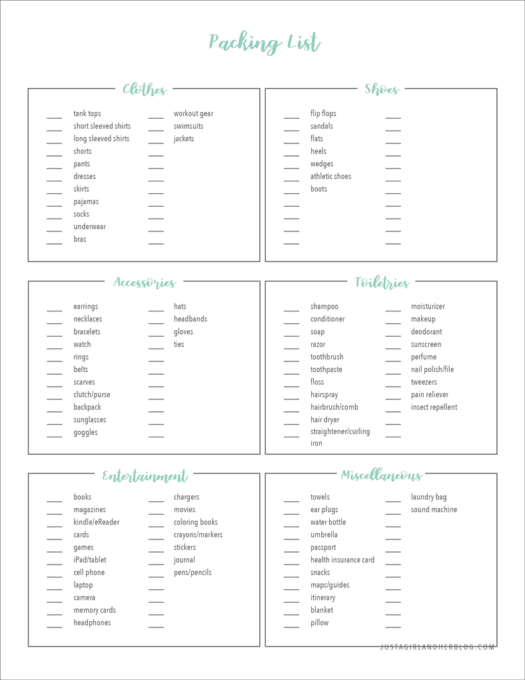
12 essentials for your kit
Let's move beyond the standard reusable water bottle. While important, a truly plastic-free trip requires a bit more preparation. The goal is to replace everyday disposable items with sustainable alternatives. It’s an investment upfront, but one that will pay dividends in reduced waste and a lighter environmental footprint.
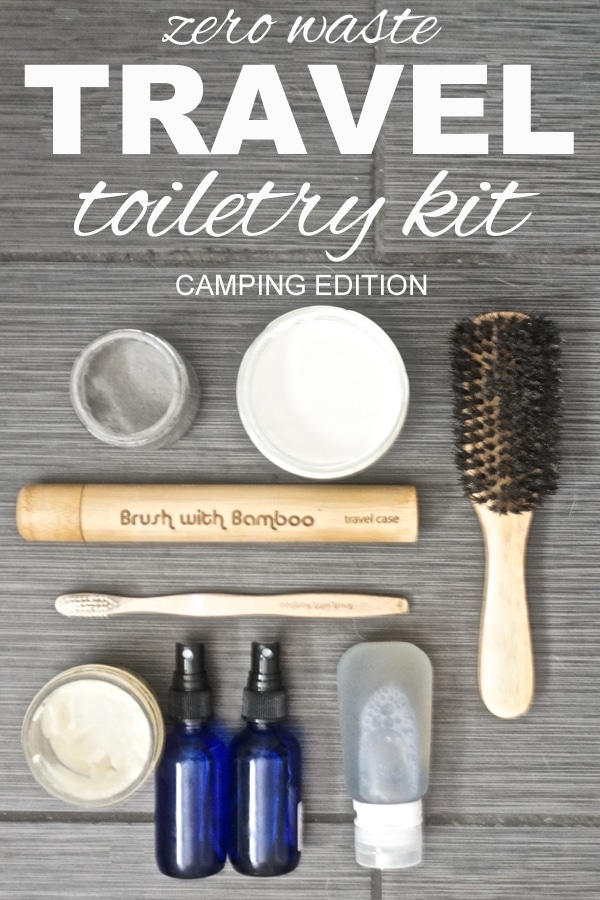
First, consider solid toiletries. Shampoo bars, conditioner bars, and solid soap eliminate plastic bottles entirely. Brands like Ethique and Lush offer a wide range of options. Next, swap your plastic toothbrush for a bamboo one – they’re biodegradable and just as effective. Reusable food wraps, like beeswax wraps from Abeego or silicone alternatives, are fantastic for keeping snacks fresh, replacing plastic cling film. A safety razor with replaceable blades is a durable alternative to disposable plastic razors.
For personal care, a menstrual cup is a game-changer, eliminating the need for disposable pads and tampons. Pack several reusable shopping bags – different sizes are helpful for groceries, souvenirs, and impromptu purchases. Stainless steel containers are essential for carrying meals and snacks, and a set of travel cutlery (bamboo or stainless steel) avoids plastic utensils. Don’t forget a reusable straw, and a portable water filter, like a Lifestraw, for safe drinking water on the go. Finally, a small repair kit with needle, thread, and patches can extend the life of your clothing, reducing the need for replacements.
- Solid shampoo/conditioner bars
- Bamboo toothbrush
- Reusable food wraps (beeswax or silicone)
- Safety razor
- Menstrual cup
- Reusable shopping bags (multiple sizes)
- Stainless steel containers
- Travel cutlery
- Reusable straw
- Portable water filter
- Small repair kit and a reusable laundry bag
Navigating Airport Security & Travel Days
Security is the hardest part because of the liquid rules. I use silicone squeeze tubes for my soaps and keep them in a clear, reusable pouch. You still have to follow the 100ml limit, but you don't need a new Ziploc bag every time you fly.
Bringing your own snacks is a great way to avoid the plastic packaging often found in airport shops. Pack them in reusable containers, and politely decline plastic cutlery offered on flights. If you're purchasing food at the airport, choose options with minimal packaging or ask if they can serve you without a lid or straw. Duty-free shops are notorious for excessive packaging, so consider skipping those purchases if possible.
Long-haul flights require a bit more planning. Pre-pack meals and snacks, and bring your own entertainment to avoid relying on single-use items offered on board. Consider a travel-sized solid handwash and hand sanitizer to minimize reliance on airport restrooms’ plastic soap dispensers. It's about anticipating needs and having a sustainable solution ready.
Finding a place to stay
Choosing eco-friendly accommodations is a significant step towards a plastic-free vacation. Look for hotels and guesthouses with recognized sustainability certifications, such as Green Key, LEED, or Travelife. These certifications indicate a commitment to environmental responsibility, but don’t rely on them exclusively.
I find it’s equally important to ask direct questions about a property’s practices. Inquire about their waste reduction efforts, water conservation initiatives, and sourcing of local products. Do they offer refillable toiletries? Do they have recycling programs? Are they actively working to reduce their carbon footprint? Don't be afraid to politely request less frequent linen changes – unnecessary washing consumes significant water and energy.
Tourist Eco maintains a directory of green hotels and resorts, which can be a helpful starting point for your search. Remember, even small choices, like declining single-use toiletries and opting out of daily housekeeping, can make a difference. Supporting businesses that prioritize sustainability sends a powerful message.
Eating & Drinking on the Go
Food and drink often account for a large portion of plastic waste generated while traveling. Prioritize visiting local farmers' markets and grocery stores, where you can purchase fresh produce and snacks with minimal packaging. Choose restaurants that emphasize local, seasonal ingredients and avoid excessive plastic packaging for takeout orders.
Always carry your reusable coffee cup and water bottle. Many cities now have water refill stations, making it easy to stay hydrated without buying bottled water. If you’re enjoying street food (which is an amazing part of travel!), bring your own containers for the vendor to use, or politely decline the plastic provided. It's a small request that can have a big impact.
When you do need to purchase packaged food, opt for items in glass or metal containers, which are more easily recycled. Be mindful of portion sizes to avoid food waste. And remember, bringing your own containers for leftovers reduces the need for disposable takeout containers.
Experiences Over Things: Sustainable Activities
Shift your focus from acquiring souvenirs to creating meaningful experiences. Choose activities that minimize environmental impact and support local communities. Hiking, biking, kayaking, and visiting national parks are all excellent options. Consider participating in volunteer tourism projects that contribute to conservation efforts.
When selecting tour operators, prioritize those that demonstrate a commitment to sustainability. Look for companies that employ local guides, support local businesses, and minimize their environmental footprint. Ask about their policies on waste management, water conservation, and responsible wildlife viewing.
Tourist Eco’s guide to carbon-neutral travel destinations highlights locations that are actively working to reduce their environmental impact. Choosing these destinations is a great way to support sustainable tourism and minimize your carbon footprint. Remember, the most sustainable souvenir is a photograph and a good story.
Dealing with Unexpected Waste
Despite your best efforts, you’ll inevitably encounter situations where plastic waste is unavoidable. It’s essential to handle this waste responsibly. Research the recycling facilities available at your destination and properly dispose of any recyclable materials. If recycling isn’t available, make every effort to dispose of waste responsibly.
The principle of "pack it in, pack it out" is particularly important when traveling in remote areas. Carry out all of your trash with you, and leave no trace of your visit. Advocate for better waste management infrastructure in destinations by supporting local organizations and contacting local authorities.
It’s important to acknowledge that recycling infrastructure varies significantly around the world. In some places, recycling rates are low, and much of what is collected ends up in landfills. While this can be discouraging, it shouldn’t deter you from making an effort to reduce and responsibly manage your waste. The goal is to minimize your impact, even in challenging circumstances.
Waste Management Options When Recycling is Unavailable
| Waste Type | Option 1: Proper Disposal (if available) | Option 2: Repurpose/Reuse | Option 3: Pack it Out | Notes/Considerations |
|---|---|---|---|---|
| Plastic | Seek designated plastic collection points (often limited in remote areas). | Transform plastic packaging into makeshift repair materials or protective covers for belongings. | All plastic waste should be packed out, especially single-use items. | Plastic pollution is a significant global issue; minimizing consumption is key. |
| Glass | Locate designated glass disposal containers – availability varies greatly. | Carefully clean and reuse glass jars for storage of food or small items. | Glass is heavy and fragile; packing it out requires careful protection and adds weight. | Broken glass poses a safety hazard; handle with extreme caution. |
| Paper | If composting isn't an option, look for general waste bins. Avoid littering. | Use paper for fire starting (where permitted and safe), note-taking, or as packing material. | Pack out paper waste if no responsible disposal options exist. | Consider the source of the paper - recycled paper is preferable. |
| Organic | Composting is ideal, but rarely available while traveling. Check with accommodations. | Food scraps can potentially be buried responsibly (check local regulations and avoid attracting wildlife). | Pack out food waste in sealed, odor-proof containers. | Be mindful of local wildlife and avoid leaving food accessible. |
| Aluminum | Some locations may have aluminum recycling programs. Inquire locally. | Aluminum foil can be cleaned and reused for cooking or wrapping. | Aluminum is lightweight and valuable for recycling; pack it out if possible. | Crushing aluminum cans reduces volume for packing. |
| Tetra Paks (Cartons) | Often not recyclable, even in developed areas. Usually ends up in general waste. | Limited repurposing options; can sometimes be used for temporary storage. | Pack out Tetra Paks as they are difficult to dispose of responsibly. | Tetra Paks are made of multiple materials, making recycling complex. |
Illustrative comparison based on the article research brief. Verify current pricing, limits, and product details in the official docs before relying on it.

No comments yet. Be the first to share your thoughts!