
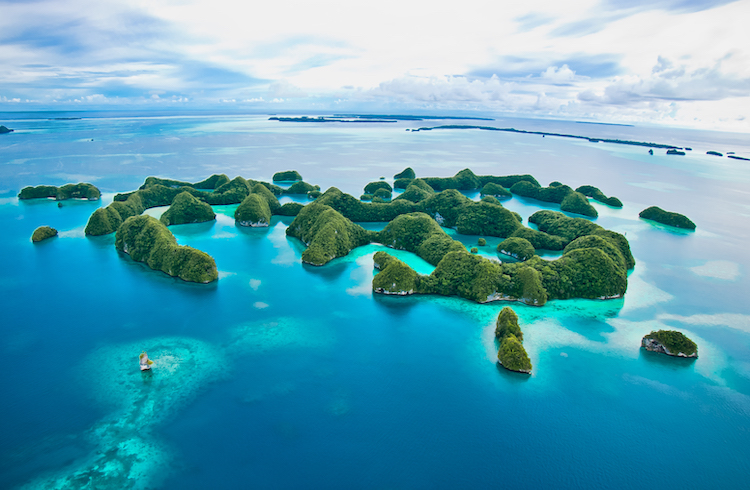

Planning a low-impact trip in 2026? These ten globally diverse destinations offer sustainable infrastructure and clear conservation goals, making it easier to travel responsibly. We’ve curated this list to help you choose locations where your visit directly supports local ecosystems and communities.
10 Eco-Friendly Travel Destinations for 2026
-
Costa Rica ecotourism infrastructure
Costa Rica leads the world with over 25% of its land protected in national parks and reserves. Travelers can stay at certified sustainable lodges that rely on solar power and rainwater harvesting. The country’s rigorous certification for Sustainable Tourism (CST) ensures operators minimize waste and support local communities. Booking through these verified accommodations guarantees your visit directly funds conservation efforts and biodiversity protection in the cloud forests and beaches. -

Bhutan carbon negative tourism model
Bhutan remains the world’s only carbon-negative country, absorbing more CO2 than it emits. Visitors pay a daily Sustainable Development Fee that funds free healthcare, education, and environmental preservation. This high-value, low-volume tourism strategy prevents overcrowding and maintains cultural integrity. By choosing Bhutan, travelers support a government-led model where economic growth is strictly balanced against ecological limits and traditional Buddhist values. -

Norway electric fjord travel
Norway has electrified its cruise fleet, allowing zero-emission sailing through dramatic fjords like Geiranger and Nærøyfjord. Electric ferries and hybrid buses connect major hubs, drastically reducing air and noise pollution in sensitive coastal ecosystems. Travelers can explore these natural wonders while supporting a nation aiming for full transport decarbonization. This infrastructure shift makes Norway a premier destination for guilt-free scenic adventures and sustainable urban exploration. -

Alaska wilderness preservation efforts
Alaska protects vast tracts of wilderness through the Alaska National Interest Lands Conservation Act, safeguarding over 100 million acres. Visitors can engage in low-impact wildlife viewing and hiking in designated areas that prioritize habitat integrity over development. Supporting local guides who adhere to strict Leave No Trace principles helps maintain these pristine ecosystems. Your presence contributes to ongoing research and monitoring programs that protect species like polar bears and caribou from climate threats. -

New Zealand biosecurity protection
New Zealand enforces strict biosecurity laws to protect its unique flora and fauna from invasive species. Travelers must declare all outdoor gear, food, and clothing upon arrival to prevent contamination. This rigorous protocol preserves endemic ecosystems like the kiwi bird’s habitat and native forests. By complying with these measures, visitors actively participate in conservation, ensuring that fragile island biodiversity remains intact for future generations to experience in its natural state. -

Iceland geothermal energy usage
Iceland harnesses its volcanic activity to power homes and greenhouses with clean heat. Travelers can visit the Blue Lagoon, where geothermal waters are naturally filtered, or tour the Hellisheiði Power Station to see how steam generates electricity. This infrastructure drastically reduces carbon footprints, allowing visitors to explore rugged landscapes while supporting a nation that runs almost entirely on renewable energy sources for daily needs. -

Montana public land stewardship
Montana protects vast wilderness through the ZooMontana Party for the Planet® initiative, which educates visitors on conservation. Tourists can engage in guided hikes that emphasize Leave No Trace principles across public lands. By supporting local stewardship programs, travelers help maintain biodiversity in the Rocky Mountain region, ensuring that pristine habitats remain intact for future generations of adventurers and wildlife alike. -

Denmark Copenhagen green infrastructure
Copenhagen integrates sustainability into urban design with the CopenHill waste-to-energy plant, which features a ski slope on its roof. The city’s extensive cycling network and carbon-neutral goals make it a model for eco-friendly urban travel. Visitors can rent bikes to explore green roofs and waterfront parks, experiencing how modern infrastructure supports both environmental health and high-quality public recreation in a dense metropolitan area. -
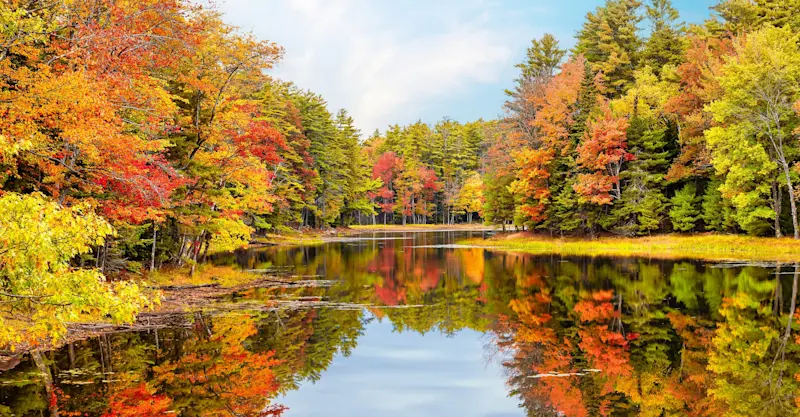
Maine coastal ecosystem protection
Maine safeguards its rugged coastline through strict marine protected areas and sustainable fishing practices. Travelers can join eco-tours that monitor lobster populations and restore kelp forests, directly contributing to ocean health. These initiatives preserve the state’s natural beauty while supporting local economies, offering visitors a chance to engage with marine conservation efforts in one of North America’s most biodiverse coastal regions. -

Patagonia sustainable trekking initiatives
Patagonia promotes responsible trekking through certified eco-lodges and trail maintenance programs that minimize erosion. Hikers can support local communities by staying at certified sustainable accommodations and following designated paths in Torres del Paine. These initiatives protect fragile ecosystems from over-tourism, ensuring that the region’s dramatic glaciers and mountains remain pristine for future explorers while fostering economic resilience in remote areas.

Essential gear for sustainable travel
The right equipment turns good intentions into measurable impact. Packing light is the single most effective way to lower your carbon footprint, but durable, multi-use tools ensure you never need to buy single-use plastics on the road. Think of your gear as a compact toolkit for responsible exploration.
Start with a high-quality reusable water bottle. Brands like Klean Kanteen and Hydro Flask offer insulated options that keep drinks cold for days, eliminating the need for disposable bottles. Pair this with a portable water filter, such as the Sawyer Squeeze, which allows you to safely drink from natural sources in places like Costa Rica or Norway without relying on packaged water.
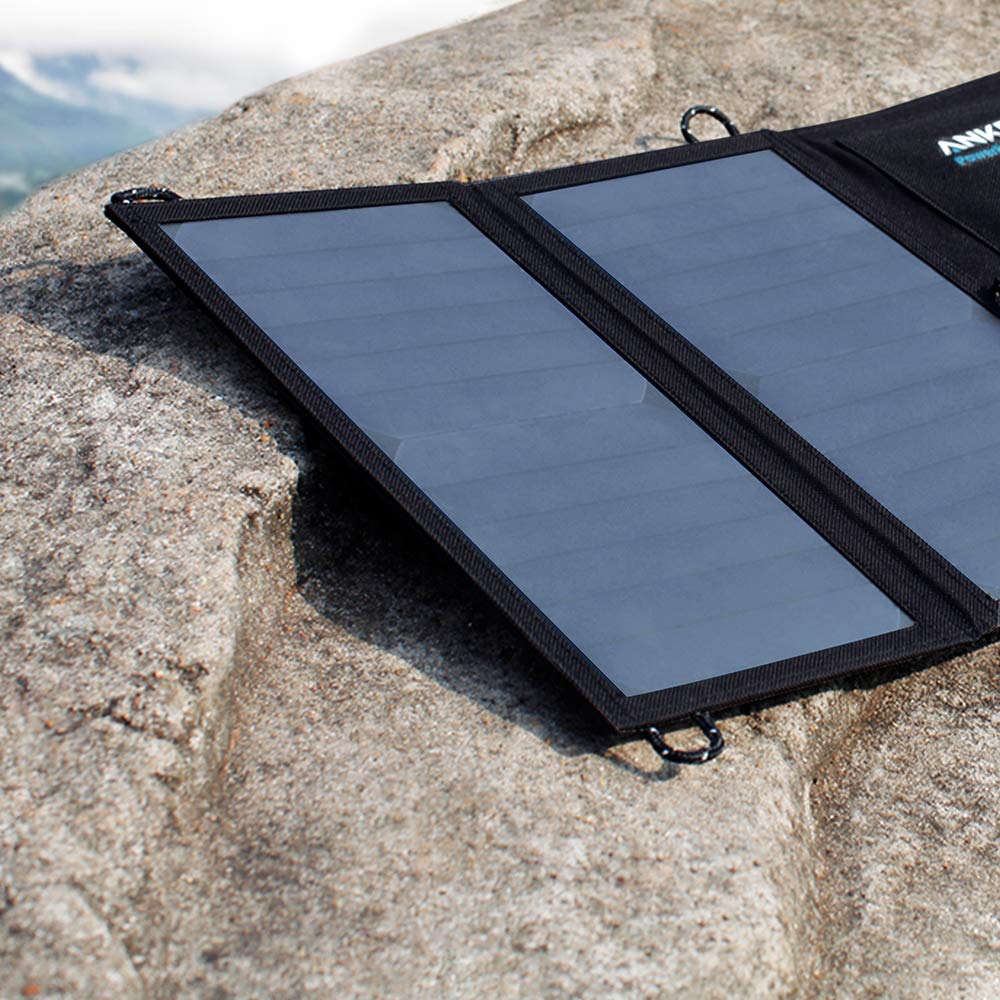
For power, a compact solar charger like the Anker PowerPort Solar Lite provides reliable energy for phones and cameras. This is particularly useful in remote eco-destinations where grid access is limited. Avoid plastic-heavy electronics packaging by choosing brands that prioritize recycled materials and minimal, compostable packaging.
Finally, pack a set of reusable silicone food storage bags and a durable utensil set. These small items replace countless plastic bags, cutlery, and napkins used during picnics or street food stops. Look for brands like Stasher or Sea to Summit, which design products specifically for the rigors of travel.



As an Amazon Associate, we may earn from qualifying purchases.
How to choose a certified green hotel
Selecting a certified green hotel requires looking beyond marketing claims to verify actual environmental practices. Start by checking for third-party certifications such as Green Globe, EarthCheck, or LEED, which indicate that a property meets rigorous standards for energy efficiency, water conservation, and waste management.
Next, evaluate the hotel's local engagement. Sustainable properties actively hire local staff, source food from regional farmers, and participate in community development projects. This ensures your spending supports the local economy rather than leaking out to international corporations. Additionally, look for hotels that have implemented specific measures like key-card activated power systems, bulk amenity dispensers to reduce plastic waste, and partnerships with local conservation groups.
Finally, consider the hotel's location and transportation options. Eco-friendly accommodations are often situated near public transit hubs or offer bike rentals, reducing the need for rental cars. By prioritizing these factors, you ensure your stay aligns with the principles of sustainable tourism, minimizing your environmental impact while maximizing positive local outcomes.
Frequently asked questions about eco travel
Is eco-friendly travel more expensive? Sustainable tourism doesn't have to break the bank. While some luxury eco-resorts carry a premium, many green travel options are budget-friendly. Staying in locally owned guesthouses, using public transit, and eating at local markets often costs less than international chain hotels and imported goods. The real cost savings come from slower travel, which reduces transportation expenses and extends the value of your trip.
How do I offset my flight carbon footprint? Flying is often the largest part of a traveler's carbon footprint, but you can mitigate the impact. Use reputable calculators from organizations like Sustainable Travel International to estimate your emissions. Then, purchase verified carbon offsets that fund renewable energy or reforestation projects. For shorter trips, consider trains or buses, which significantly lower emissions compared to short-haul flights.
What certifications should I look for? Not all "green" labels are created equal. Look for third-party certifications like Green Globe, EarthCheck, or GSTC (Global Sustainable Tourism Council) accredited properties. These standards ensure that a hotel or tour operator meets rigorous criteria for environmental protection, social responsibility, and economic benefits to local communities. Avoid vague marketing terms like "eco-friendly" without verifiable backing.
No comments yet. Be the first to share your thoughts!