

The reality of travel waste
Travel creates a lot of trash. Between those tiny hotel shampoo bottles and the endless stream of takeaway coffee cups, we leave behind plastic that stays in the ground for centuries. It feels overwhelming, but changing how we pack actually works.
Consider this: the UN Environment Programme estimates that tourism contributes around 5% of global carbon emissions, and a substantial portion of that impact stems from waste production. Single-use plastics, in particular, are a major culprit. They pollute oceans, harm wildlife, and contribute to the growing microplastic crisis. The convenience of these items often comes at a steep environmental cost.
However, there's a growing awareness of these issues, and a corresponding demand for more sustainable travel options. People are actively seeking ways to minimize their environmental impact while still enjoying the benefits of exploration. Zero-waste travel isn't about sacrificing comfort or adventure; it's about being mindful of our consumption and making conscious choices that align with our values.
This isn’t about perfection. It's about progress. It’s about recognizing that every reusable bottle, every beeswax wrap, every conscious decision contributes to a larger movement towards responsible tourism. It's about shifting from a culture of disposability to one of durability and respect for the planet. That’s what makes it empowering, and why we’re seeing more travelers attempt to make these changes.
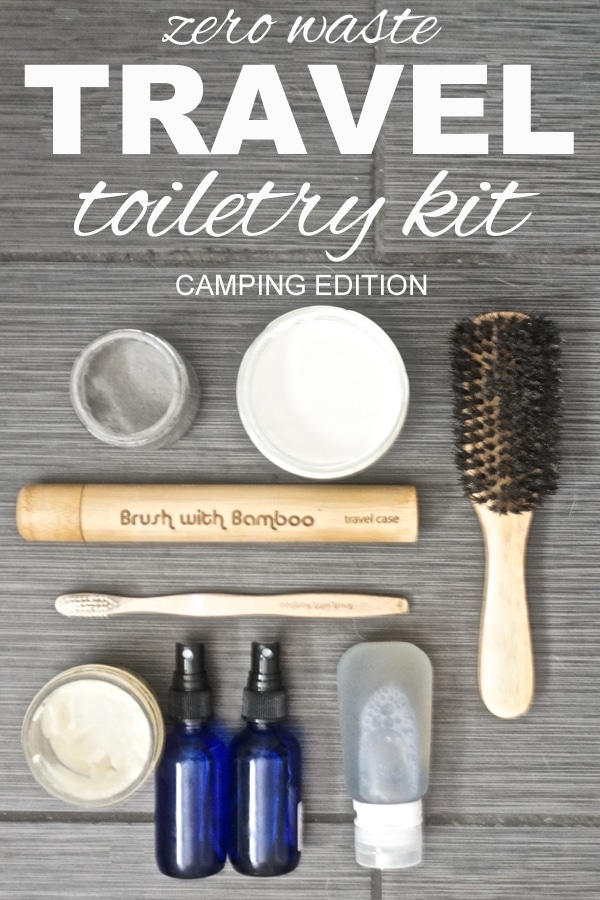
Ten things to pack
Building a zero-waste travel kit doesn’t require a complete overhaul of your packing routine. It's about swapping out single-use items for reusable alternatives. A thoughtful kit can significantly reduce your waste footprint and make your travels more sustainable. Here are ten essential items to get you started:
1. Reusable Water Bottle: This is the foundation of any zero-waste kit. Opt for stainless steel or glass to avoid plastic. A good bottle will save you money and prevent countless plastic bottles from ending up in landfills. I personally rely on a Hydro Flask for both hot and cold beverages.
2. Reusable Coffee Cup: For coffee and tea lovers, a reusable cup is a must-have. Many coffee shops offer discounts for customers who bring their own cups, adding another incentive. KeepCup is a popular brand known for its durability and stylish designs.
3. Solid Shampoo/Conditioner Bars: These eliminate plastic bottles entirely. They’re also concentrated, meaning they last longer and are lighter to pack. Lush is a well-known brand, but many smaller, independent businesses are now offering high-quality solid hair care products.
4. Bamboo Toothbrush: A simple swap, but impactful. Bamboo is a sustainable resource, and bamboo toothbrushes are biodegradable (though the bristles often aren't).
5. Reusable Cutlery Set: Avoid plastic cutlery with a lightweight travel set made from bamboo, stainless steel, or even wood. Many sets include a spoon, fork, knife, and chopsticks.
6. Beeswax Wraps (or Silicone Alternatives): These are a fantastic alternative to plastic wrap for storing food. They’re reusable, washable, and biodegradable. Abeego is a well-regarded brand for beeswax wraps, while silicone food covers are a durable, plastic-free alternative.
7. Reusable Shopping Bag: A compact, foldable shopping bag is essential for avoiding plastic bags at markets and stores. Look for one made from organic cotton or recycled materials.
8. Safety Razor: A significant reduction in plastic waste compared to disposable razors. While there’s an initial investment, the blades are inexpensive and recyclable.
9. Menstrual Cup (or Period Underwear): For menstruating travelers, these are game-changers. They eliminate the need for disposable pads and tampons, reducing both waste and cost. DivaCup and Thinx are popular brands.
10. Small Container for Bulk Refills: Bring a small, airtight container to refill with shampoo, conditioner, laundry detergent, or other toiletries from bulk stores. This minimizes packaging waste and saves space.
Ditch the Travel-Sized Toiletries
Those tiny travel bottles are a recycling nightmare. Most facilities can't even process them because they're too small. I've found that switching to solid bars is the easiest fix. They are just concentrated versions of what you already use, minus the plastic bottle.
The benefits are clear: reduced plastic waste, space-saving, and often, a more natural ingredient list. However, there can be an adjustment period. Some people find solid shampoo bars take some getting used to, requiring a bit of experimentation to find the right product for their hair type. Finding the right formula is key. Don’t be afraid to try a few different brands before settling on one.
DIY options are also worth exploring. A simple face wash can be made from a mixture of oil and honey, while a body scrub can be created with sugar and coconut oil. This requires a bit more effort, but it allows for complete control over the ingredients and eliminates packaging altogether. However, DIY isn’t for everyone.
For those who prefer to purchase pre-made products, several brands offer excellent plastic-free alternatives. Ethique is a New Zealand-based company specializing in solid toiletries, while Package Free Shop curates a wide selection of sustainable personal care products. Refillable travel containers can supplement a reduction strategy, but shouldn’t be the primary focus.
Solid Shampoo & Conditioner Bar Comparison - 2026
| Hair Type | Brand Example | Scent Profile | Price Range (USD) | Availability |
|---|---|---|---|---|
| Oily | Ethique Shampoo Bar - Hebe | Fresh, Minty | 16-20 | Widely available online and in some health food stores |
| Dry | HiBAR Lift & Repair Shampoo & Conditioner | Coconut & Argan Oil | 13-18 | Online, select Target stores |
| Normal | Plaine Products Shampoo Bar | Unscented | 18-24 | Online, some zero-waste stores |
| Color-Treated | Package Free Shop Color-Safe Shampoo Bar | Subtle Floral | 20-25 | Online, Package Free Shop retail locations |
| Oily | Lush Seanik Shampoo Bar | Seaweed & Mint | 15-20 | Lush stores and online |
| Dry | The Yellow Bird Shampoo Bar | Lavender & Rosemary | 14-19 | Online, zero-waste retailers |
| Normal | Friendly Soap Lavender Shampoo Bar | Lavender | 8-12 | Online, independent retailers |
| Color-Treated | Kindred Spirit Shampoo Bar | Rose & Geranium | 19-23 | Online, ethical beauty retailers |
Illustrative comparison based on the article research brief. Verify current pricing, limits, and product details in the official docs before relying on it.
Food & Drink on the Go: Avoiding Single-Use
Reducing waste related to food and drink is a significant aspect of zero-waste travel. Beyond carrying your reusable water bottle and coffee cup, consider your snacking habits. Pre-packaged snacks often come with excessive plastic packaging. Instead, opt for reusable containers filled with homemade snacks like nuts, seeds, or dried fruit.
When purchasing meals, choose restaurants that prioritize sustainability. Look for establishments that use local ingredients, offer reusable containers for takeout, and actively minimize their waste. Farmers' markets are also a great option for sourcing fresh, package-free produce and snacks.
Traveling in areas where zero-waste options are limited can be challenging. In these situations, it’s important to be proactive. Politely refuse straws, plastic bags, and other unnecessary single-use items. Pack your own reusable utensils and containers, and be prepared to explain your choices if necessary.
Remember, even small actions can make a difference. By supporting businesses that prioritize sustainability and consciously reducing your consumption, you’re sending a message that demand exists for more eco-friendly options. It’s about voting with your wallet and advocating for a more sustainable food system.
Beyond the Kit: Zero-Waste Travel Habits
Zero-waste travel extends beyond the contents of your kit; it’s about adopting a mindful approach to your entire journey. This includes considering your transportation choices. Opting for trains or buses over flights whenever possible significantly reduces your carbon footprint, and often provides a more immersive travel experience.
Supporting local businesses is another crucial element. By patronizing locally owned restaurants, shops, and tour operators, you’re contributing to the local economy and reducing the environmental impact of long-distance transportation of goods. Seek out authentic experiences that connect you with the local culture.
Pack light. The heavier your luggage, the more fuel is required to transport it. A minimalist packing approach not only reduces your carbon footprint but also simplifies your travels. Consider a capsule wardrobe with versatile pieces that can be mixed and matched.
Finally, be mindful of waste disposal. When zero-waste options aren’t available, properly dispose of your waste according to local regulations. And remember, zero-waste travel isn't about achieving perfection; it's about making conscious choices and continually striving to reduce your impact.
- Choose eco-friendly transportation (trains, buses, bikes).
- Support local businesses.
- Pack light.
- Dispose of waste responsibly.
Gear Standouts: What We're Loving in 2026
After extensive testing, a few zero-waste travel products consistently stand out. These aren’t necessarily the flashiest or most expensive options, but they’re reliable, effective, and align with our values. It’s important to remember that the 'best' product is subjective and depends on individual needs and preferences.
Shampoo & Conditioner Bars: Ethique’s "Hebe’ shampoo bar ($16) and ‘Guardian’ conditioner bar ($18) receive consistently positive reviews for their effectiveness and long-lasting quality. They"re plastic-free, vegan, and cruelty-free. The bars are compact and travel well.
Reusable Food Wraps: Bee’s Wrap is a classic for a reason. Their beeswax wraps ($18 for a set of three) are reusable, washable, and come in a variety of sizes and patterns. They’re a great alternative to plastic wrap for storing leftovers or packing snacks. As an alternative, consider silicone wraps from Stasher ($20 for a set of three).
Travel Cutlery Set: To-Go Ware’s Bamboo Utensil Set ($23) is lightweight, durable, and includes a spoon, fork, knife, and chopsticks. It comes with a handy carrying case and is easy to clean. It’s a simple, practical solution for avoiding plastic cutlery.
Safety Razor: The Leaf Shave Classic Razor ($90) is a high-quality safety razor made from stainless steel. While it’s an investment, it’s built to last and eliminates the need for disposable plastic razors. Replacement blades are inexpensive and recyclable.
When things go wrong
Even with careful planning, zero-waste travel can present challenges. Finding refill stations for toiletries can be difficult, especially in remote areas. Researching locations beforehand and identifying potential refill options is crucial. Apps like RefillMyBottle can help locate water refill stations.
Limited recycling options are another common obstacle. In some countries, recycling infrastructure is inadequate or non-existent. In these cases, the best approach is to minimize waste in the first place and to properly dispose of any unavoidable waste according to local regulations. It’s also important to be realistic about what can be recycled.
Cultural differences can also pose challenges. In some cultures, refusing single-use items may be considered impolite. Be respectful of local customs while politely explaining your commitment to sustainability. A little bit of grace and understanding can go a long way.
Hygiene concerns are valid, but easily addressed. Properly cleaning reusable containers and utensils is essential. Consider carrying hand sanitizer and disinfecting wipes for added peace of mind. Remember, zero-waste travel doesn't mean compromising on hygiene.

No comments yet. Be the first to share your thoughts!