

The shift toward eco hubs
Digital nomadism is no longer a fringe movement. Most of us enjoy the freedom of working from anywhere, but we have to admit the constant flying and resource drain on local towns is a problem.
Fortunately, a new approach is taking hold: the emergence of "eco hubs.’ These destinations aren’t simply beautiful places to work remotely; they are actively committed to sustainability, offering infrastructure and initiatives that minimize environmental impact and support local communities. We"re seeing a shift in what nomads demand from a location.
By 2026, this demand will be even more pronounced. Increased awareness of climate change, coupled with a growing desire for authentic travel experiences, is driving the development of these hubs. Destinations are realizing that attracting digital nomads isn't just about fast internet and cheap co-working spaces anymore; it’s about demonstrating a genuine commitment to responsible tourism.
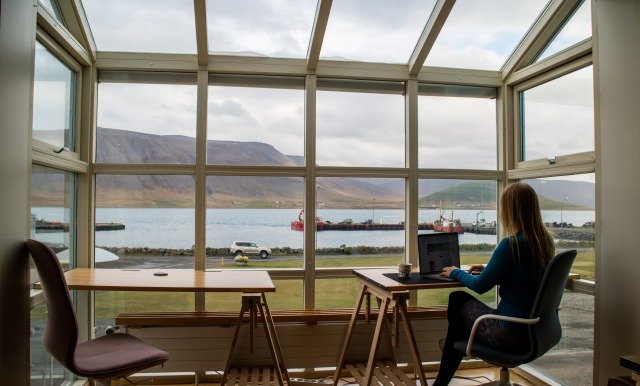
Eight spots to watch for 2026
Here’s a look at eight destinations poised to become leading sustainable digital nomad hubs by 2026. Each offers a unique blend of affordability, connectivity, and eco-conscious initiatives.
Lisbon, Portugal: Still a popular choice, Lisbon continues to invest in green infrastructure. The city aims for carbon neutrality by 2030, with expanded public transport and incentives for electric vehicle adoption. Cost of living remains relatively affordable at around $1,500 - $2,500 per month for a comfortable lifestyle. Coworking spaces are plentiful, and the government actively supports remote workers with visa programs.
Chiang Mai, Thailand: Chiang Mai has long been a nomad hotspot, and it’s responding to sustainability concerns. Multiple organizations are working on reforestation projects in the surrounding hills, and the city is promoting sustainable agriculture. Expect to spend $800 - $1,500 monthly. Internet is reliable, and co-working spaces are abundant, but traffic congestion remains a challenge.
Medellín, Colombia: Medellín’s transformation is well-documented. The city has improved air quality significantly through investment in its metro system and electric buses. A monthly budget of $1,000 - $2,000 is realistic. The city implemented a city-wide composting program in 2025, diverting over 300 tons of organic waste per month. Coworking options are expanding rapidly.
Canggu, Bali: Bali faces significant sustainability challenges, but Canggu is at the forefront of eco-tourism efforts. Numerous businesses are adopting zero-waste practices, and community-led initiatives are focused on plastic reduction and responsible water management. Expect to spend $1,200 - $2,500 per month. Internet can be spotty in some areas, so reliable service is key.
Oaxaca, Mexico: Oaxaca offers a slower pace of life and a rich cultural experience. The region is focused on preserving its indigenous traditions and promoting sustainable agriculture. The monthly cost of living is around $800 - $1,500. Oaxaca has invested in solar energy initiatives, with several communities now powered by renewable sources.
Ljubljana, Slovenia: Consistently ranked as one of Europe’s greenest capitals, Ljubljana prioritizes pedestrian zones, cycling infrastructure, and waste reduction. The city implemented a comprehensive waste management system in 2024, achieving a 60% recycling rate. Monthly expenses can range from $1,500 - $2,800. Internet connectivity is excellent.
Vancouver, Canada: Vancouver’s commitment to sustainability is evident in its ambitious climate action plan and investment in green buildings. It's a pricier option with a monthly cost of $2,500 - $4,000, but offers a high quality of life. Vancouver boasts an extensive public transportation network and a thriving tech scene.
Buenos Aires, Argentina: Despite economic challenges, Buenos Aires is attracting remote workers with its affordability and vibrant culture. The city is investing in renewable energy projects and promoting sustainable tourism initiatives. A monthly budget of $700 - $1,500 is achievable. However, internet reliability can vary depending on the neighborhood.
Spotting real sustainability
It’s easy to fall for "greenwashing" – destinations that appear eco-friendly on the surface. A truly sustainable travel destination goes much deeper than just recycling bins and organic cafes. It's about systemic change.
Reducing a destination’s carbon footprint is paramount. This means investing in renewable energy sources, promoting public transportation, and encouraging walking and cycling. But it’s not just about energy; it's about minimizing waste, conserving water, and protecting biodiversity.
Crucially, a sustainable hub actively supports local communities. Staying in locally-owned guesthouses, eating at family-run restaurants, and purchasing goods from local artisans ensures that your money directly benefits the people who live there. This is far more impactful than funneling your spending into international hotel chains or large corporations.
Preserving biodiversity is also essential. This means protecting natural habitats, supporting conservation efforts, and respecting wildlife. Responsible water usage is a major factor, especially in regions facing water scarcity. Finally, the ethical treatment of animals must be a priority – avoiding attractions that exploit animals for entertainment.
Navigating the Trade-offs: Nomad Impact
Even with the best intentions, digital nomadism isn’t without its downsides. Increased tourism, even sustainable tourism, can contribute to gentrification, driving up housing costs and displacing local residents.
There’s also the potential for increased strain on local resources, like water and energy. Cultural appropriation is another concern – it’s important to be respectful of local customs and traditions and avoid exploiting them for personal gain. And, of course, the carbon footprint of long-distance travel remains a significant issue.
Nomads can mitigate these negative impacts by actively supporting local economies, respecting local customs, offsetting their carbon emissions through reputable platforms like Patch or Wren, and choosing eco-friendly transportation options whenever possible. Consider slow travel – staying in one place for an extended period rather than constantly moving.
Tools & Tech for the Green Nomad
Fortunately, a growing number of resources are available to help digital nomads travel more sustainably. Carbon offsetting platforms like Patch ($10+ per ton of CO2) and Wren ($10+ per month) allow you to invest in projects that reduce carbon emissions.
Several websites specialize in eco-friendly accommodations. Bookdifferent highlights hotels with sustainability certifications, while Ecobnb focuses on eco-friendly bed and breakfasts. For finding sustainable tours and activities, consider websites like Fairbnb and Lokal.
Resources for learning about local environmental issues are also valuable. The World Wildlife Fund provides information on conservation efforts around the globe, and local environmental organizations can offer insights into specific challenges and opportunities.
Sustainable Travel Resources for Digital Nomads
| Resource Name | Type | Key Features | Cost Consideration |
|---|---|---|---|
| BookDifferent | Accommodation | Focuses on hotels with sustainability certifications; displays environmental impact scores. | Generally comparable to mainstream booking sites |
| BlaBlaCar | Transportation | Ride-sharing platform reducing individual car travel; connects travelers with available seats. | Often Lower than train or solo driving costs |
| MyClimate | Offsetting | Offers various carbon offsetting projects focused on renewable energy and forestry. | Cost varies significantly based on flight distance/impact |
| Fairbnb | Accommodation | Alternatives to traditional rentals, with a portion of fees going to local community projects. | Potentially Higher than standard rental platforms |
| Locally | Activities/Tours | Platform connecting travelers with local experiences and guides prioritizing sustainability. | Price ranges depend on the specific activity |
| EcoBnb | Accommodation | Curated selection of eco-friendly accommodations, including B&Bs and unique stays. | Generally Medium, reflecting the quality of eco-focused lodging |
| Trainline | Transportation | Facilitates train travel across Europe, a lower-emission alternative to flying. | Cost varies; can be competitive with flights depending on route |
Qualitative comparison based on the article research brief. Confirm current product details in the official docs before making implementation choices.
Planning Your Eco-Nomad Journey: A Checklist
Ready to travel more sustainably? Here’s a simple checklist to get you started:
• Pack light to reduce fuel consumption.
• Bring reusable water bottles, coffee cups, and shopping bags.
• Support local businesses whenever possible.
• Choose eco-friendly transportation options (trains, buses, bicycles).
• Respect local customs and traditions.
• Offset your carbon emissions.
• Be mindful of your water and energy usage.
• Avoid single-use plastics.
• Educate yourself about local environmental issues.

No comments yet. Be the first to share your thoughts!