

Vacationing on a changing planet
Planning a trip feels heavier lately. The excitement of a new culture now competes with headlines about floods and fires. I find myself checking flood maps as often as hotel reviews. It isn't just about whether a beach is pretty, but whether it will still be there in a decade. That anxiety is real, and it's changing how we choose where to go.
The desire to travel responsibly is growing, but knowing where to go – where your tourism dollars actually support sustainability and aren’t simply contributing to a problem – is surprisingly difficult. Greenwashing is rampant, and "eco-tourism" can sometimes feel like a marketing buzzword. This is where the concept of climate resilience comes in. It's about identifying places not necessarily immune to climate change, but actively preparing for it.
These aren’t destinations promising a perfect, untouched paradise. They’re places facing real challenges – rising sea levels, increased temperatures, more frequent storms – and responding with innovation, adaptation, and a commitment to long-term sustainability. The following list isn’t an endorsement of places that have "solved" climate change, but a spotlight on those demonstrating a proactive approach. They're examples of destinations working to thrive, despite the odds.
No map is entirely safe from a changing climate. These twelve spots aren't perfect, but they are actually doing the work to stay viable. They offer a look at how travel functions when a city decides to adapt rather than just hope for the best.
Twelve spots that are actually prepared
Here are twelve destinations demonstrating a commitment to climate resilience, along with a look at the challenges they face, their adaptation strategies, and what type of traveler might find them appealing. I’ve included a qualitative "resilience score" – think of it as an overall assessment of their preparedness, based on factors like infrastructure, policy, and community involvement.
- Curitiba, Brazil: The city uses a massive park system to swallow stormwater that would otherwise flood the streets. Their bus system is old news now, but it still keeps the air cleaner than most cities its size. It is a solid choice if you like seeing how a city actually functions.
- Rotterdam, Netherlands – Resilience Score: Very Strong Located below sea level, Rotterdam is a global leader in flood management. The Room for the River program creates space for waterways to swell, and the Maeslantkering storm surge barrier protects the city from the North Sea. They’re also experimenting with floating structures and water-sensitive urban design. Best for: Architecture buffs, design lovers, and anyone fascinated by engineering solutions.
- Palau: The government requires you to sign an environmental pledge in your passport before you even leave the airport. They have closed off 80% of their waters to fishing. It is a aggressive move to save their reefs from warming water, making it the best spot for divers who care about the fish more than the resort bar.
- Costa Rica – Resilience Score: Strong Costa Rica is experiencing changes in rainfall patterns and increased temperatures. The country generates over 98% of its electricity from renewable sources (hydro, geothermal, wind, and solar) and has ambitious reforestation programs. Ecotourism is a major part of the economy, incentivizing conservation. Best for: Nature lovers, wildlife enthusiasts, and adventure seekers.
- Bhutan – Resilience Score: Strong Bhutan, a carbon-negative country, is vulnerable to glacial lake outburst floods and changing agricultural patterns. The country prioritizes Gross National Happiness over GDP, integrating environmental conservation into its development policies. They’ve constitutionally mandated that at least 60% of the country remain forested. Best for: Travelers seeking cultural immersion, spiritual retreats, and pristine Himalayan landscapes.
- Slovenia – Resilience Score: Moderate to Strong Slovenia faces increased risk of droughts and heatwaves. The country has invested in sustainable forestry practices, promotes organic agriculture, and is developing a green tourism infrastructure. Ljubljana, the capital, has been recognized as a European Green Capital. Best for: Hikers, cyclists, and those seeking a sustainable European getaway.
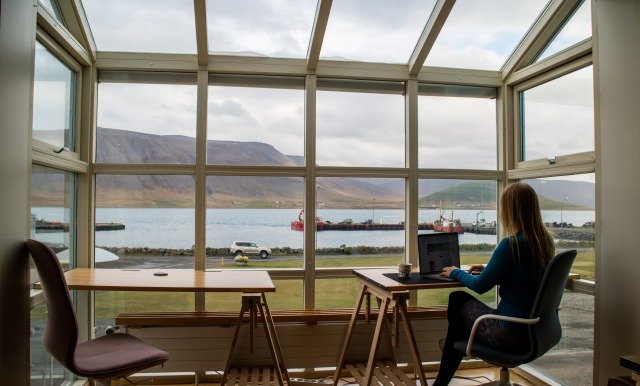
- Iceland – Resilience Score: Moderate Iceland is grappling with glacial melt and the impacts of increased tourism. The country is heavily reliant on renewable energy (geothermal and hydropower) and is exploring carbon capture technologies. However, the rapid growth in tourism presents a challenge to its environmental sustainability. Best for: Adventure travelers, photographers, and those interested in geothermal landscapes.
- Vancouver, Canada – Resilience Score: Strong Vancouver is susceptible to sea-level rise, increased rainfall, and extreme weather events. The city has implemented robust green building standards, invested in public transit, and is developing seawalls and other coastal defenses. Best for: Urban adventurers, outdoor enthusiasts, and those seeking a walkable, sustainable city.
- New Zealand – Resilience Score: Moderate to Strong New Zealand is facing impacts from rising sea levels, glacial melt, and changing weather patterns. The country has a strong commitment to conservation, with a significant portion of its land protected in national parks and reserves. They’re also investing in climate-resilient infrastructure. Best for: Outdoor adventurers, wildlife enthusiasts, and those seeking stunning natural beauty.
- Norway – Resilience Score: Strong Norway is experiencing warming temperatures and changes in precipitation patterns. The country is a leader in electric vehicle adoption and has a significant investment in renewable energy, particularly hydropower. They’re also focused on sustainable fisheries management. Best for: Fjord explorers, hiking enthusiasts, and those interested in sustainable living.
- Portugal – Resilience Score: Moderate Portugal is facing increased risk of droughts, wildfires, and heatwaves. The country is investing in water management infrastructure, promoting sustainable agriculture, and developing a national strategy for adaptation to climate change. The Algarve region is particularly vulnerable to water scarcity. Best for: History buffs, foodies, and those seeking sun and sea (with an awareness of water conservation).
- Faroe Islands – Resilience Score: Moderate The Faroe Islands are experiencing more frequent and intense storms, as well as rising sea levels. They are investing in coastal protection measures, promoting sustainable tourism practices, and exploring renewable energy sources. Their remote location presents unique challenges for adaptation. Best for: Off-the-beaten-path travelers, birdwatchers, and those seeking dramatic landscapes.
Climate-Resilient Destinations: A Comparative Overview (2026)
| Destination | Primary Climate Challenge | Key Adaptation Strategies | Traveler Profile | Resilience Level |
|---|---|---|---|---|
| Costa Rica | Increased Rainfall & Landslides | Reforestation projects, improved drainage infrastructure, community-based tourism | Adventure, Eco-tourism | High |
| Bhutan | Glacial Lake Outburst Floods | Glacier monitoring, early warning systems, sustainable hydropower development | Cultural, Wellness | Medium-High |
| Slovenia | Heatwaves & Drought | Water conservation initiatives, urban green spaces, promoting local agriculture | Active, Nature-focused | Medium-High |
| Norway | Changing Fisheries & Sea Levels | Sustainable fisheries management, coastal protection measures, investment in green shipping | Adventure, Cruise | Medium |
| Portugal (Algarve) | Water Scarcity & Wildfires | Improved water management, wildfire prevention programs, diversification of tourism | Beach, Relaxation | Medium |
| New Zealand | Extreme Weather Events | Infrastructure upgrades, natural hazard mapping, community preparedness programs | Adventure, Scenic | Medium-High |
| Finland | Warming Temperatures & Biodiversity Loss | Forest management, peatland restoration, promoting sustainable forestry tourism | Nature, Wellness | Medium |
| Rwanda | Shifting Rainfall Patterns | Terracing and soil conservation, rainwater harvesting, promoting climate-smart agriculture | Wildlife, Cultural | Medium |
Qualitative comparison based on the article research brief. Confirm current product details in the official docs before making implementation choices.
What makes a city hold up
Looking at these destinations, several common threads emerge. It’s not just about having the latest technology or the deepest pockets. Strong local governance is paramount – the ability to make and enforce policies that prioritize long-term sustainability over short-term economic gains. Investment in green infrastructure – things like urban forests, green roofs, and permeable pavements – is also crucial.
Equally important is community-based tourism. When local communities benefit directly from tourism revenue and are involved in decision-making, they’re more likely to protect their natural and cultural resources. Diversifying the economy is another key factor; relying too heavily on a single industry (like tourism) makes a destination vulnerable to shocks. Finally, a genuine commitment to conservation – protecting biodiversity and ecosystems – is fundamental.
Resilience isn’t just about physical infrastructure; it’s about social and economic adaptability. It's about building a society that can bounce back from challenges and continue to thrive. The U.S. Climate Resilience Toolkit (toolkit.climate.gov) offers a wealth of information on these concepts and provides case studies of communities across the country that are tackling climate change head-on. It’s a valuable resource for understanding the complexities of climate resilience.
Planning Your Trip: A Checklist
Want to minimize your impact and support climate resilience on your next vacation? Here’s a quick checklist. Prioritize eco-friendly accommodations – look for certifications like LEED or Green Key, or simply ask hotels about their sustainability practices. Support local businesses – eat at locally-owned restaurants, shop at local markets, and hire local guides.
Consider offsetting your carbon emissions, but do so with caution. Carbon offsetting is not a perfect solution, and the quality of offsetting programs varies widely. Research certified options carefully. Reduce your water and energy consumption – take shorter showers, turn off lights when you leave your room, and reuse towels. Finally, respect local cultures and traditions – learn a few basic phrases in the local language, dress modestly, and be mindful of local customs.
Looking Ahead: The Future of Climate-Adaptive Travel
Several emerging trends are shaping the future of climate-adaptive travel. Regenerative tourism goes beyond simply minimizing harm and actively seeks to restore and improve the environment and local communities. Slow travel encourages travelers to spend more time in fewer places, fostering a deeper connection with the local culture and reducing their carbon footprint.
Technology will also play a role, with tools to monitor environmental impacts and help travelers make more informed choices. Governments and international organizations have a crucial role to play in promoting sustainable tourism practices, setting standards, and providing financial support for adaptation efforts. This is an ongoing process, and there will undoubtedly be challenges along the way.
Ultimately, the future of travel depends on our collective commitment to responsible and sustainable practices. It requires a shift in mindset – from simply taking vacations to actively contributing to the well-being of the places we visit. And it requires recognizing that climate change is not a distant threat, but a present reality that demands our attention.


No comments yet. Be the first to share your thoughts!