

Eco-Friendly Travel Destinations Budget
Choosing a sustainable destination doesn’t require a luxury budget. The most eco-friendly form of travel remains walking or cycling, which produce zero emissions and cost nothing beyond basic gear. For longer distances, trains and buses offer significantly lower carbon footprints than flights, often at comparable or lower prices.
When planning your trip, prioritize destinations within driving or train range to eliminate the high emissions of air travel. Domestic ecotourism hubs like Alaska, Utah, and Montana provide immersive nature experiences without the overhead of international logistics. These locations often support local economies directly, ensuring your spending benefits the community rather than large multinational chains.
To keep costs down while maintaining ethical standards, look for accommodations with recognized green certifications. These properties typically use less energy and water, passing those savings on to guests. By combining low-impact transport with locally owned lodging, you can reduce both your carbon footprint and your travel expenses simultaneously.


As an Amazon Associate, we may earn from qualifying purchases.
Shortlist real options
Finding a destination that balances genuine sustainability with a quality experience requires looking beyond marketing buzzwords. The strongest eco-friendly travel destinations share a common trait: they have institutionalized conservation and low-impact infrastructure rather than relying on voluntary guest behavior.
When comparing options, prioritize locations with recognized eco-certifications or those that have integrated regenerative tourism into their local economy. This comparison highlights four distinct regions that lead in sustainable practices, from renewable energy adoption to strict wildlife protection.
Costa Rica remains the global benchmark for eco-tourism, with nearly 100% of its electricity generated from renewable sources. The country’s Certification for Sustainable Tourism (CST) program rigorously evaluates businesses on their interaction with the environment, local community, and cultural heritage. Visitors can stay in certified lodges that actively contribute to reforestation and wildlife corridors.
Iceland leverages its unique geology to power its tourism sector with clean energy. Many hotels and tour operators in Reykjavik and surrounding areas are EarthCheck certified, ensuring that visitor numbers do not overwhelm fragile geothermal areas. The focus here is on managing high-traffic sites like the Golden Circle to prevent erosion and habitat disruption.
For urban travelers, Gothenburg offers a model for low-carbon city living. As a former European Green Capital, the city prioritizes pedestrian zones, extensive cycling networks, and waste-to-energy systems. It is ideal for travelers who want to minimize their carbon footprint through transport choices while enjoying vibrant cultural scenes.
Alaska provides a different sustainability model focused on preservation and indigenous stewardship. With vast protected lands and strict regulations on wildlife viewing, Alaska ensures that tourism supports conservation efforts rather than degrading them. Green Key certified accommodations here often emphasize local sourcing and minimal waste.
Choosing any of these destinations reduces the overall impact of your trip, but the method of arrival matters most. If you can reach a location by train or bus instead of plane, your carbon footprint drops significantly. Pairing these destinations with sustainable gear, such as reusable water filters or solar-powered chargers, further amplifies your positive impact.
Inspect the expensive parts
Before booking, run through these checks. Sustainable travel often hides hidden costs in carbon offsets, certified gear, and eco-lodges. Skipping these steps can lead to expensive mistakes or greenwashing.

Look for LEED, Green Key, or B Corp certifications. Avoid vague terms like "eco-friendly" without proof. A quick check of the provider’s sustainability report prevents funding unsustainable practices.

Use tools from the WWF or ICAO to estimate emissions. Choose destinations closer to home or reachable by train when possible. This reduces your biggest emission source: air travel.

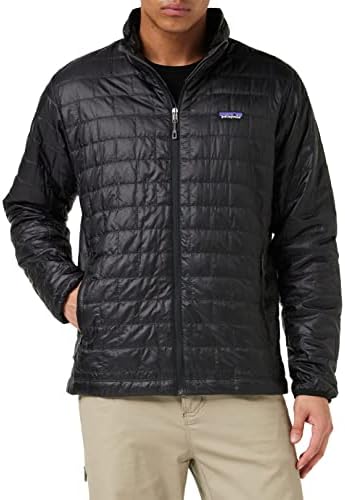
Invest in high-quality, repairable gear. Cheap items break faster and end up in landfills. Look for brands offering lifetime warranties or repair services to extend product life.

Ensure your stay supports the local community. Choose locally owned hotels and restaurants. This keeps money in the destination and reduces the carbon cost of imported goods.


As an Amazon Associate, we may earn from qualifying purchases.
Plan for ownership costs
The price tag is just the entry fee. When you buy gear for eco-friendly travel, the real test is what it costs to keep working over time. A cheap tent that leaks or a fragile backpack that rips after a weekend trip forces a replacement, doubling your financial and environmental cost. Sustainable gear is an investment in durability, but you must calculate the total cost of ownership before you pack.
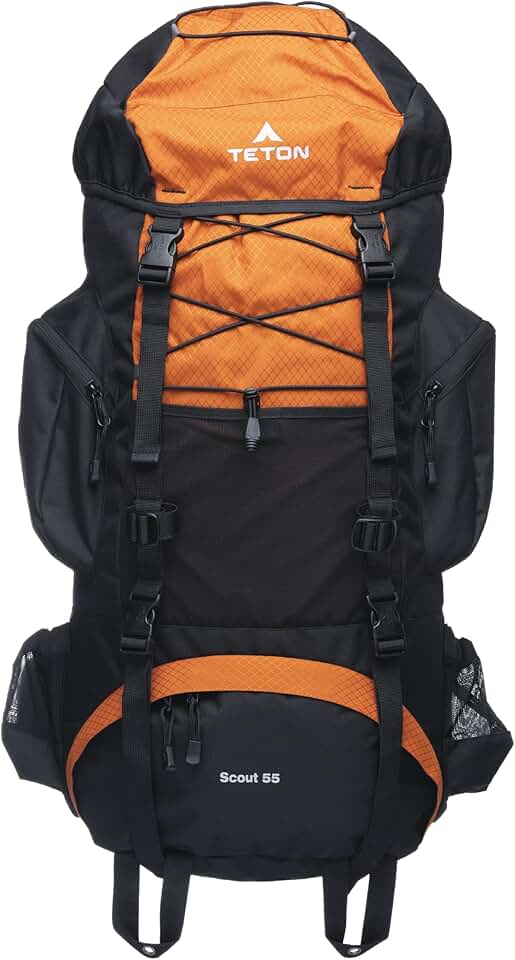
Look for replaceable parts and available warranty support. If a zipper breaks or a seam tears, can you fix it, or do you need a new product? Brands that offer repair services or sell individual components like replacement buckles or patches extend the life of your gear significantly. This approach keeps items out of landfills and saves money in the long run.
Consider the cost per use. A high-quality, durable item used for ten trips is cheaper than a budget item replaced twice. Focus on core gear that sees frequent use, such as backpacks and outdoor clothing, where durability matters most. For single-use or low-frequency items, a mid-range option may suffice.


As an Amazon Associate, we may earn from qualifying purchases.
Eco-friendly travel destinations: what to check next
Choosing sustainable travel often feels like navigating a maze of vague claims. You want to lower your carbon footprint without sacrificing the quality of your trip. Here are direct answers to the practical questions that usually block a decision.
These answers focus on actions you can verify. Prioritize transparency in your booking choices. Small, documented changes to your travel habits often yield the biggest impact.
No comments yet. Be the first to share your thoughts!